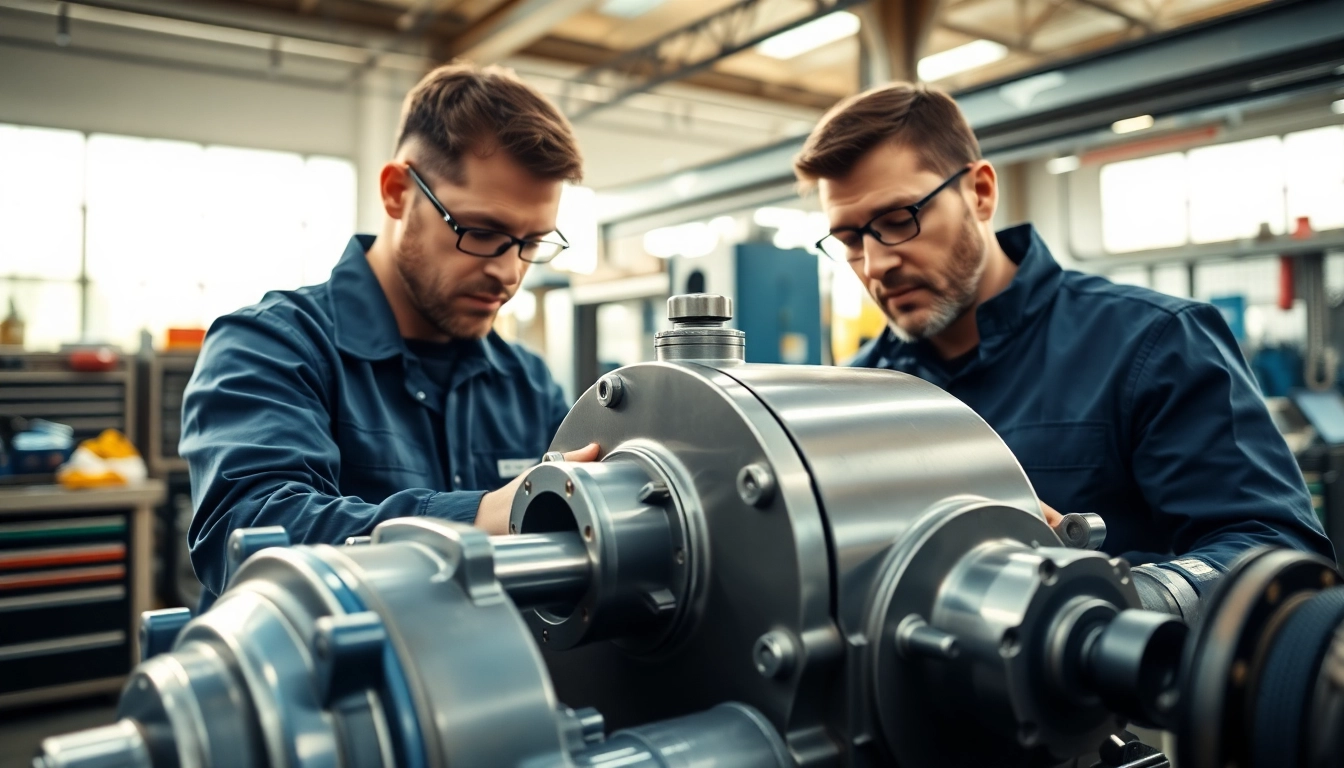
The Importance of Hydraulic Pump Services
Hydraulic systems are a cornerstone of modern machinery, driving everything from industrial manufacturing equipment to mobile construction vehicles. At the heart of these systems lies the hydraulic pump, a component responsible for generating hydraulic pressure and movement. This article delves into the significance of hydraulic pump services, exploring their functionality, maintenance requirements, and the benefits that come with regular servicing.
Understanding Hydraulic Pump Functionality
A hydraulic pump converts mechanical energy into hydraulic energy, driving the operation of hydraulic systems. It achieves this by drawing fluid from a reservoir and pressurizing it, which then powers cylinders, motors, and other components. Understanding the various types of hydraulic pumps—gear pumps, piston pumps, and vane pumps—enables operators to make informed decisions on their applications and maintenance strategies. Each pump type has distinct characteristics, performance metrics, and ideal use cases within hydraulic systems.
The Role of Hydraulic Pump Maintenance
Regular maintenance of hydraulic pumps is critical to prolonging their operational lifespan and ensuring the efficiency of the hydraulic system. Maintenance tasks should include fluid checks, filter replacements, and visual inspections for wear and tear. Failure to maintain these components can lead to decreased efficiency and costly breakdowns. Operators must adhere to both manufacturer guidelines and industry best practices to safeguard the equipment’s performance and reliability.
Benefits of Regular Hydraulic Pump Services
Investing in hydraulic pump services offers several benefits that can improve operational efficiency and reduce downtime. Regular servicing ensures that pumps operate within their intended parameters, minimizing energy consumption and extending service life. Timely maintenance can also help identify potential issues before they escalate into major failures, saving costs associated with emergency repairs. Additionally, maintaining optimal performance levels enhances overall equipment productivity, positively impacting the bottom line.
Common Hydraulic Pump Issues
Identifying Pump Performance Problems
Recognizing the signs of performance issues in hydraulic pumps is crucial for timely intervention. Common indicators may include decreased hydraulic pressure, abnormal noises, or fluctuations in flow rate. These symptoms are often precursors to more significant issues, such as cavitation, seal failures, or internal leakage, which can severely affect the hydraulic system’s efficiency.
Causes of Hydraulic Pump Failures
Hydraulic pump failures can be attributed to several factors, including contamination of hydraulic fluid, inadequate lubrication, prolonged operational hours without maintenance, or improper installation. Each of these causes can lead to wear and tear that compromises a pump’s functionality. Implementing strategies to mitigate these risks—such as fluid cleanliness protocols and routine maintenance schedules—can help improve reliability and performance.
Signs Your Pump Needs Professional Services
Several clear indicators suggest a hydraulic pump may require professional servicing. Unusual sounds, such as grinding or whining, can signal internal issues. Similarly, if you notice any leaks or pressure fluctuations, it may be time to consult a specialist. Additionally, if operational efficiency drops or the system shows signs of overheating, seeking professional assistance becomes essential to avoid further damages.
Best Practices for Hydraulic Pump Services
Basic Maintenance Tips
Implementing basic maintenance practices can significantly enhance the longevity and performance of hydraulic pumps. Regularly check hydraulic fluid levels and quality; contamination can lead to pump failure. Change filters as recommended, ensure all connections are secure, and routinely inspect hoses and fittings for signs of wear. Keeping a log of maintenance activities can also help track performance trends and identify recurring issues.
When to Schedule Professional Services
Professional services should be scheduled based on the manufacturer’s recommendations, typically annually or bi-annually. However, if any performance issues arise or significant changes in operation occur, immediate professional evaluation is advisable. Regular check-ups during off-peak seasons can also help maintain operational readiness when demand is high.
Choosing the Right Service Provider
Selecting a reliable service provider is critical for effective hydraulic pump services. Look for providers with industry certifications and a proven background in hydraulic systems. Request testimonials or case studies to assess their expertise. A good service provider should demonstrate a methodical approach to diagnostics and possess the necessary technology to perform comprehensive repairs and maintenance.
Advanced Hydraulic Pump Rehabilitation
Rebuilding vs. Replacing Hydraulic Pumps
When a hydraulic pump begins showing signs of wear or failure, operators often face the choice of rebuilding or replacing the unit. Rebuilding can be an economically viable option, especially for older systems where original components are still available. Conversely, newer or severely damaged pumps may warrant replacement, particularly if cost analysis favors a new installation. Each situation should be assessed critically, considering factors such as cost, compatibility, and system requirements.
Technological Innovations in Pump Repair
The hydraulic repair industry continues to evolve with technological advancements. Innovations like condition monitoring sensors, predictive analytics, and automated diagnostics are transforming the maintenance landscape. These technologies allow for proactive maintenance strategies, dramatically improving efficiency and reducing downtime through timely interventions and informed service decisions.
Long-term Care and Usage Tips
To ensure the long-term viability of hydraulic pumps, operators should consider implementing usage tips that promote care. These include adhering to recommended operating speeds and loads, avoiding sudden pressure changes, and maintaining proper fluid temperature. Regular operator training on best practices can create a more knowledgeable workforce, reducing human error and extending equipment life.
FAQs About Hydraulic Pump Services
What are hydraulic pump services?
Hydraulic pump services involve maintenance, repair, and troubleshooting of hydraulic pumps to ensure proper functionality.
How often should I service my hydraulic pump?
Generally, hydraulic pumps should be serviced annually or based on manufacturer recommendations and usage frequency.
What are the signs of a failing hydraulic pump?
Common signs include unusual noises, decrease in pressure, leaks, and overheating during operation.
Can I perform hydraulic pump maintenance myself?
While basic cleaning can be done, it’s best to consult professionals for more complex maintenance and repairs.
What should I expect during a hydraulic pump service?
A typical service includes inspection, cleaning, lubrication, part replacements, and performance testing.
Contact Information
Call Us: 1 780-452-2876
Email: [email protected]
Address: 13111 159 St NW, Edmonton, AB, Canada, T5V 1H6