Understanding Baseboards: A Fundamental Element of Interior Design
What Are Baseboards?
Baseboards, often referred to as skirting boards, are a crucial element found at the junction where walls meet the floor. Their primary function is to protect walls from scuffs, marks, and damage that can arise from everyday activities, such as moving furniture or vacuuming. Beyond functionality, they play a vital role in enhancing the overall appearance of a room, acting as a transition element that subtly complements the aesthetics of your interior design scheme. Available in various styles, sizes, and materials, baseboards provide a way to add character, framing the space in a harmonious way.
The Importance of Baseboards in Home Aesthetics
Baseboards do more than just serve a protective function; they significantly contribute to the room’s design narrative. When chosen and installed thoughtfully, baseboards can create visual interest, drawing the eyes along the contours of the walls and flooring. They can also help to define the style of a room, from traditional and ornate designs that embody classic elegance to sleek and minimalist profiles suitable for contemporary spaces. Furthermore, the color and finish of baseboards can either blend in for a seamless look, or contrast for a bold statement, making them a versatile design element that deserves careful consideration.
Common Materials Used for Baseboards
Baseboards are made from a variety of materials, each offering distinct advantages and aesthetic qualities. Some of the most commonly used materials include:
- Wood: A traditional choice that offers warmth and can be stained or painted. It’s durable and can be carved into intricate designs, appealing for classic and ornate styles.
- MDF (Medium Density Fiberboard): Cost-effective and reliable, MDF can be painted easily and is less prone to warping than wood, making it ideal for painted finishes.
- Vinyl: A water-resistant option best for areas with high moisture, such as bathrooms and basements. Vinyl baseboards are versatile in design and can mimic the look of wood.
- Polyurethane: A synthetic alternative that can be molded into intricate designs. It is lightweight, resistant to moisture and can also be painted.
Choosing the Right Baseboards for Your Space
Factors to Consider When Selecting Baseboards
Selecting the right baseboards involves considering multiple factors to ensure they align with the overall design of your home. Key considerations include:
- Height: Taller baseboards can make room ceilings appear higher and are often found in more traditional homes, while shorter versions fit better in modern settings.
- Style: The style should complement existing architectural elements. For example, a colonial-style home might showcase thicker, more decorative baseboards, whereas a contemporary space may favor minimalist designs.
- Finish: A high-gloss finish can reflect light, enhancing a space, while matte finishes provide a more understated look. Choose based on the ambiance you wish to create.
- Color: The color of your baseboards can significantly influence your room’s aesthetic. Consider whether you want a unified color scheme or a contrasting color for a bolder look.
Baseboard Styles: From Traditional to Contemporary
Baseboards come in numerous styles to match a variety of architectural themes. Styles can generally be categorized as follows:
- Traditional: Often more ornate, featuring intricate moldings and details, suitable for historical or vintage-inspired homes.
- Modern: Sleek and straight lines define modern baseboards, eschewing ornamentation for simplicity.
- Craftsman: Characterized by thick profiles with flat tops, these baseboards emphasize craftsmanship and are ideal for Arts and Crafts style homes.
- Victorian: Often highly decorative, featuring curves and elaborate relief patterns, Victorian baseboards are perfect for period restorations.
Color Options for Baseboards to Match Your Décor
The color you choose for your baseboards can either unify or contrast with the overall room décor. Here are some options to consider:
- White: A classic choice that can make rooms appear larger and brighter, often used in modern and traditional designs alike.
- Gray: A contemporary neutral offering a softer alternative to white, it can harmonize beautifully with a range of wall colors.
- Bold Colors: Choosing bold shades can create a stunning visual impact and can serve to enhance features such as cool flooring.
- Natural Wood Stains: For a traditional touch, wood-stained baseboards can add warmth and develop character as they age.
Installation Guide for Baseboards: Step-by-Step Approach
Essential Tools for Installing Baseboards
Before you start the installation process, it’s essential to gather the necessary tools. A basic toolkit should include:
- A miter saw for cutting angled corners.
- A finish nail gun or hammer and finishing nails to secure baseboards.
- A level to ensure your baseboards are straight.
- A measuring tape for accurate measurements.
- Caulk and caulking gun for filling gaps between the baseboard and wall for a professional finish.
- Paint or wood stain for finishing touches.
Preparation: Measuring and Cutting Baseboards
Accurate measuring and cutting are critical for a seamless fit. Follow these steps:
- Measure the length of the wall where the baseboards will be installed.
- Mark your measurements on the baseboards, ensuring you account for the corner angles (typically 45 degrees).
- Use a miter saw to make precise cuts at both ends, ensuring that they will fit snugly together at corners.
- Dry-fit the baseboards against the wall to ensure they fit properly before securing them.
Final Installation: Tips for a Professional Finish
Once prepared, it’s time to secure the baseboards in place. Here’s how to proceed:
- Start by positioning the first piece against the wall, using a level to ensure it’s straight.
- Secure the piece with finishing nails, placing them every 16 to 24 inches for stability.
- Repeat the process for the subsequent pieces, ensuring corners are flush and aligned neatly.
- Use caulk to fill any gaps at the corners and along the wall to achieve a smooth, finished look.
- Finally, paint or stain the baseboards as desired for a polished finish.
Maintaining and Repairing Baseboards: Best Practices
Routine Maintenance for Long-lasting Baseboards
Maintaining baseboards is essential to keep them looking new and extend their lifespan. Here are some best practices:
- Regularly dust the baseboards to prevent buildup of dirt and grime.
- Use a damp cloth for deep cleaning, particularly in high-traffic areas.
- Inspect for scuffs and scratches and address them promptly.
- Touch up paint or stain as needed to keep the color consistent.
Common Issues and Easy Repairs for Baseboards
Despite regular maintenance, baseboards can experience wear over time. Here are common issues and simple solutions:
- Scratches: Use wood filler for wooden baseboards or paint to touch up scratched areas.
- Loose Baseboards: Re-secure with finishing nails if they start to come away from the wall.
- Water Damage: For MDF or wood, moisture can lead to swelling. Replace severely damaged sections, and ensure rooms are adequately ventilated.
Refreshing Baseboards: When to Repaint or Replace
Deciding whether to repaint or replace baseboards can depend on the extent of wear:
- Consider repainting if faded or dull in color. A fresh coat can rejuvenate their appearance.
- Replacement might be necessary if baseboards are cracked or structurally damaged beyond repair. Evaluate whether the look aligns with your current design goals.
Innovative Baseboard Designs and Trends
Modern Trends in Baseboard Design
Baseboard design has evolved significantly, reflecting contemporary styles and preferences. Current trends include:
- Minimalism: Slimmer, simplified profiles that reflect a clean, uncluttered aesthetic.
- Mixed Materials: Combining different materials, such as wood and metal, adds texture and unexpected interest.
- Smart Height Variations: Experimenting with varied heights within a single space helps achieve a custom, tailored look.
Eco-friendly Materials for Baseboards
As sustainability becomes increasingly important in home design, eco-friendly materials for baseboards are gaining popularity. Consider options such as:
- Bamboo: A renewable resource that offers durability and a unique aesthetic.
- Reclaimed wood: Ideal for creating rustic vibes while minimizing environmental impact.
- Recycled materials: Products made from recycled plastics and composites are now available, providing an alternative to traditional options.
Combining Baseboards with Other Decorative Elements
For added design interest, consider how baseboards can work alongside other elements:
- Integrating crown molding can create a unified, sophisticated look, especially in higher ceilings.
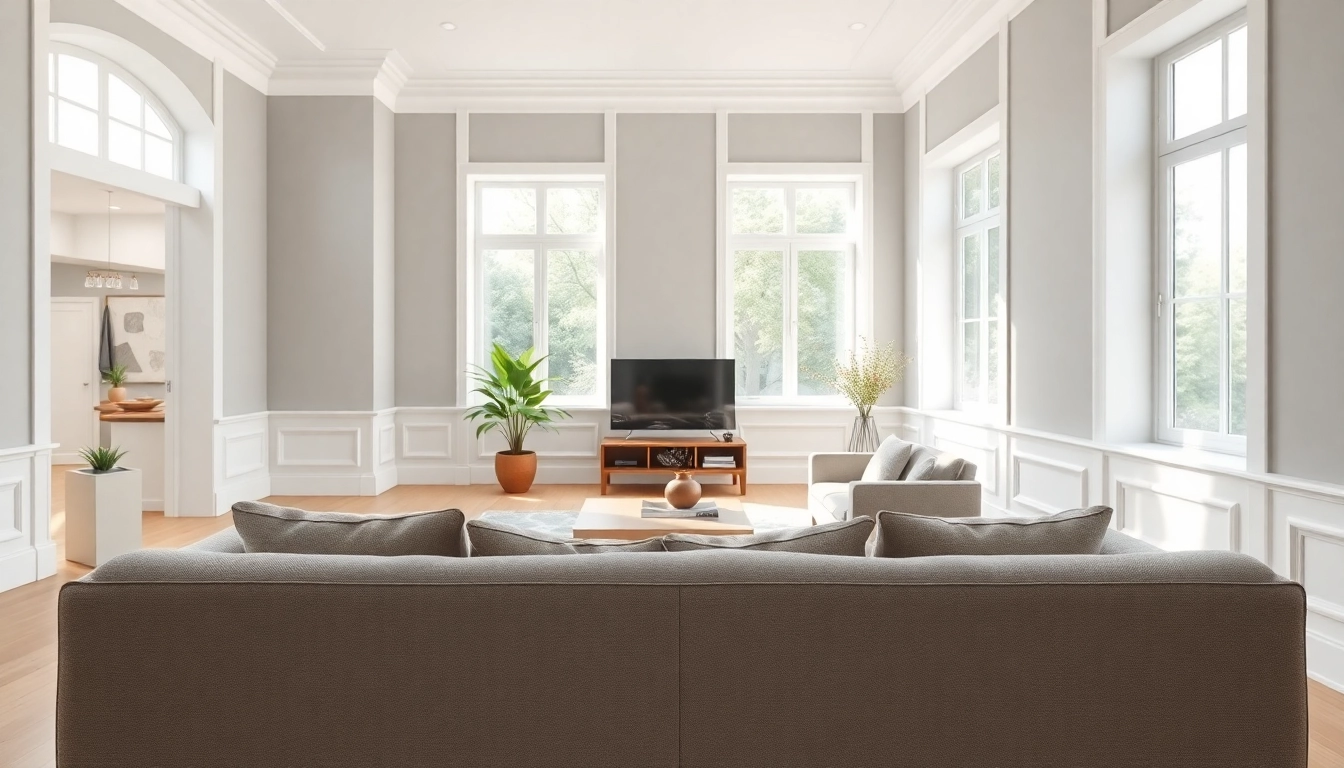
- Pairing baseboards with wainscoting can visually define areas within a room, enhancing architectural interest.
- Incorporating lighting fixtures near baseboards allows for creative illumination that highlights the design.
Frequently Asked Questions
What are baseboards used for?
Baseboards serve as a protective barrier between the wall and floor while enhancing the room’s aesthetics.
How do I choose the right baseboards?
Consider your interior style, the material, height, and color that best complements your décor.
Can I install baseboards myself?
Yes, with essential tools and following a proper guide, you can install baseboards on your own.
What materials are best for baseboards?
Common materials include wood, MDF, plastic, or composite, each offering durability and aesthetic appeal.
How do I maintain baseboards?
Regular cleaning and touch-up painting ensure your baseboards look pristine and maintain their integrity.