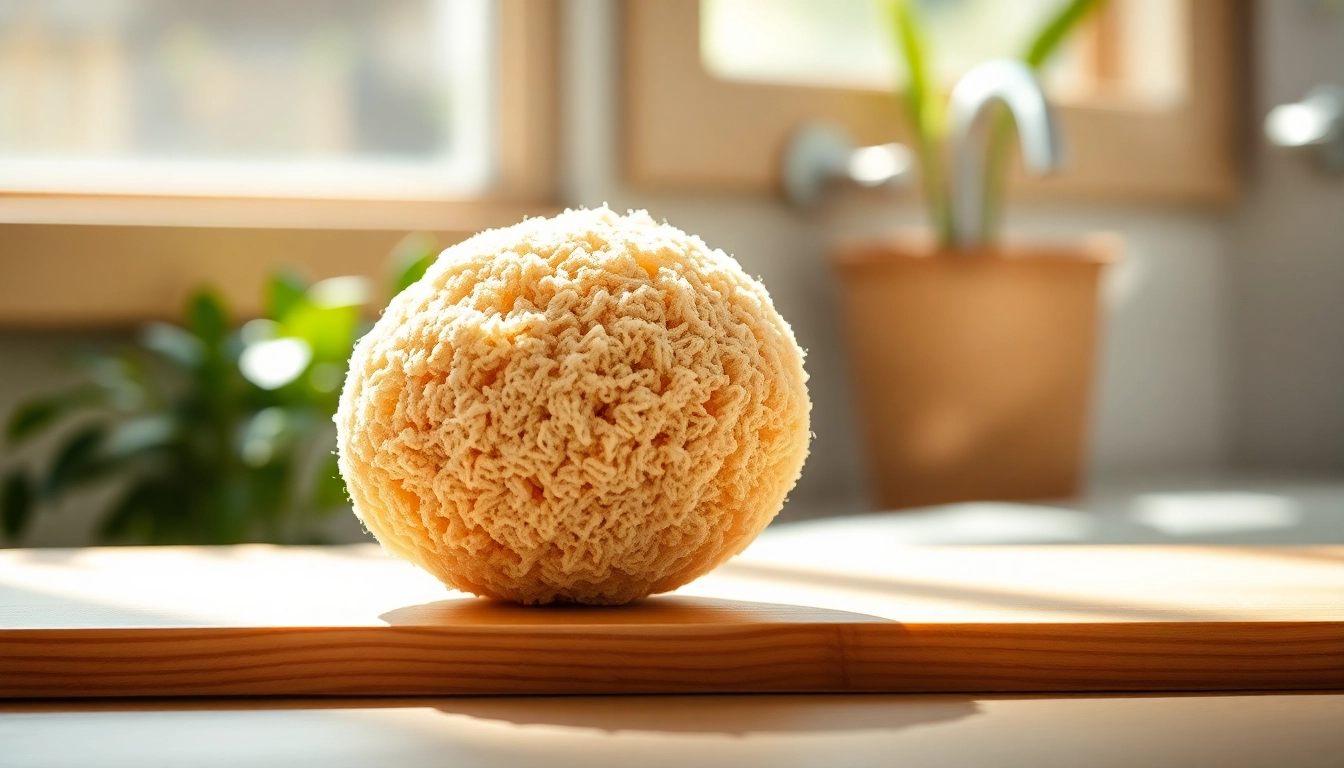
The raw loofah sponge has become a staple in many personal care routines, bridging the gap between effective cleansing and natural exfoliation. As consumers increasingly turn to sustainable and health-conscious products, the demand for natural alternatives, such as the raw loofah sponge, has surged. In this comprehensive article, we’ll explore everything there is to know about raw loofah sponges—ranging from their history, benefits, and usage to how they impact the environment and how to maintain them effectively.
Understanding the Raw Loofah Sponge
What is a Raw Loofah Sponge?
A raw loofah sponge is derived from the fibrous fruit of the loofah plant, which is part of the cucumber family. This sponge is known for its natural exfoliating properties, making it a popular choice for skin-care enthusiasts. Unlike manufactured sponges, a raw loofah retains the fibers found in the loofah gourd, providing an effective tool for scrubbing away dead skin cells and promoting healthy skin. It is entirely biodegradable, reflecting a growing consumer interest in eco-friendly products.
History and Origins of Loofah
The loofah plant, or Luffa aegyptiaca, has been cultivated for thousands of years, primarily in Africa, Asia, and parts of the Americas. Historically, loofahs were used not only for bathing but also in traditional medicine. Ancient cultures recognized its properties for improving circulation and exfoliating the skin. Over time, the process of turning the loofah fruit into sponges was refined, leading to the natural exfoliating sponges we use today. Their gentle yet effective nature has made them favorable in numerous cultures worldwide.
Benefits of Using Raw Loofah Sponge
Utilizing a raw loofah sponge in your bathing routine offers various health and aesthetic benefits:
- Exfoliation: The rough texture of the loofah helps remove dead skin cells, revealing healthier skin underneath.
- Improved Circulation: Regular use can stimulate blood flow to the skin, promoting a fresher and more vibrant appearance.
- Hydration: When used with your favorite soaps and shower gels, it can aid in better absorption of products, leaving your skin feeling hydrated and nourished.
- Eco-friendly: Unlike synthetic sponges, raw loofahs are biodegradable and sustainable, appealing to eco-conscious consumers.
How to Incorporate Raw Loofah Sponge in Your Routine
Best Practices for Using Raw Loofah Sponge
To maximize the benefits of your raw loofah sponge, adopt the following best practices:
- Soak Before Use: Before each use, it’s helpful to soak the loofah in warm water to soften its fibers. This will provide a more comfortable exfoliating experience.
- Use Gentle Pressure: When scrubbing the skin, apply gentle pressure, allowing the loofah to do its job without causing irritation.
- Rotate Usage: To prevent skin irritation, consider alternating the use of your loofah with other methods of cleansing or exfoliating.
Pairing with Natural Skincare Products
The raw loofah sponge works exceptionally well with natural skincare products. Here are some ideas for pairing:
- Natural Soaps: Pair your loofah with organic soaps that contain nourishing oils or botanical extracts for a rejuvenating experience.
- Exfoliating Scrubs: Use the loofah with a gentle exfoliating scrub to enhance its benefits. This combination will help provide a more thorough cleaning while maintaining moisture levels.
- Essential Oils: Infuse your bathing routine with essential oils by adding a few drops to your loofah for an aromatherapy boost that soothes the senses.
DIY Spa Treatments with Raw Loofah Sponge
Creating a spa experience at home is easy with a raw loofah sponge. Here are a few DIY treatments you can explore:
- Loofah and Coconut Oil Scrub: Create a mixture of coconut oil and sugar. Use your loofah to scrub this combination onto your skin, leaving you feeling smooth and hydrated.
- Herbal Infusion Bath: Prior to bathing, soak your loofah in herbal tea. This practice enhances the spa experience and provides additional benefits depending on the herbs used.
- Exfoliating Clay Mask: Mix natural clay with water and apply it to your skin. Once it dries, use your loofah to gently scrub off the mask.
Caring for Your Raw Loofah Sponge
Cleaning Techniques for Longevity
To ensure that your raw loofah sponge lasts as long as possible, implement these cleaning techniques:
- Daily Rinse: Rinse the loofah thoroughly with water after each use to remove any soap residue or dead skin.
- Weekly Sanitation: Soak your loofah in a mix of water and vinegar for 10 minutes once a week to sanitize it and keep it fresh.
- Dry Completely: Make sure to hang your loofah in a well-ventilated area to dry completely after each use, preventing mold and bacteria growth.
Storage Tips for Optimal Use
Proper storage prolongs the life of your raw loofah sponge. Consider these tips:
- Avoid Moist Areas: Store the loofah in a dry area to minimize the risk of mold formation.
- Use a Hanging Organizer: Hang your loofah in a breathable bag or organizer to allow for air circulation.
Signs It’s Time to Replace Your Sponge
To maintain both hygiene and effectiveness, be aware of the following signs indicating it may be time to replace your raw loofah sponge:
- Fraying or Breaking: If your loofah begins to fray or is breaking down, it’s a sign of wear and should be replaced.
- Odor: Any unpleasant smells that persist after cleaning can indicate that your loofah is harboring bacteria.
- Color Change: A significant change in color can signal that the loofah is no longer in good condition.
The Environmental Impact of Raw Loofah Sponge
Sustainability Benefits of Loofah
The raw loofah sponge is not only beneficial for your skin but also for the planet. Here are some of its sustainability benefits:
- Biodegradability: Being organic, raw loofah sponges decompose naturally, significantly reducing landfill waste compared to synthetic sponges.
- Renewable Resource: Loofah plants can be cultivated in sustainable farming practices without the need for harmful chemicals, making them an eco-friendly option.
Comparisons with Synthetic Sponges
When comparing raw loofah sponges with synthetic options, several factors highlight the benefits of choosing natural products:
- Health Concerns: Synthetic sponges are often treated with chemicals that can irritate skin, while raw loofah is chemical-free.
- Environmental Impact: Synthetic products are made from non-renewable resources and can take years to decompose, whereas loofahs are wholly natural.
How to Choose Ethically Sourced Loofah
Choosing responsibly harvested loofah sponges involves understanding sourcing practices. Here are tips for selecting ethically sourced options:
- Look for Certifications: Purchase loofahs that have certification to inform you about their environmental and ethical standards.
- Research Producers: Investigate brands or producers that prioritize sustainable practices and an ethical supply chain.
Frequently Asked Questions About Raw Loofah Sponge
1. How often should I replace my raw loofah sponge?
It’s recommended to replace your loofah sponge every 3-4 weeks to maintain hygiene.
2. Can I use raw loofah sponge on my face?
It’s best to test on a small area first, as its rough texture may irritate sensitive skin.
3. Is raw loofah sponge biodegradable?
Yes, raw loofah sponge is completely biodegradable, making it an eco-friendly option.
4. How do I clean my raw loofah sponge?
Rinse it thoroughly after use and soak in a vinegar solution weekly to keep it fresh.
5. What are the benefits of using a raw loofah sponge?
It exfoliates the skin, promotes circulation, and enhances your overall bathing experience.