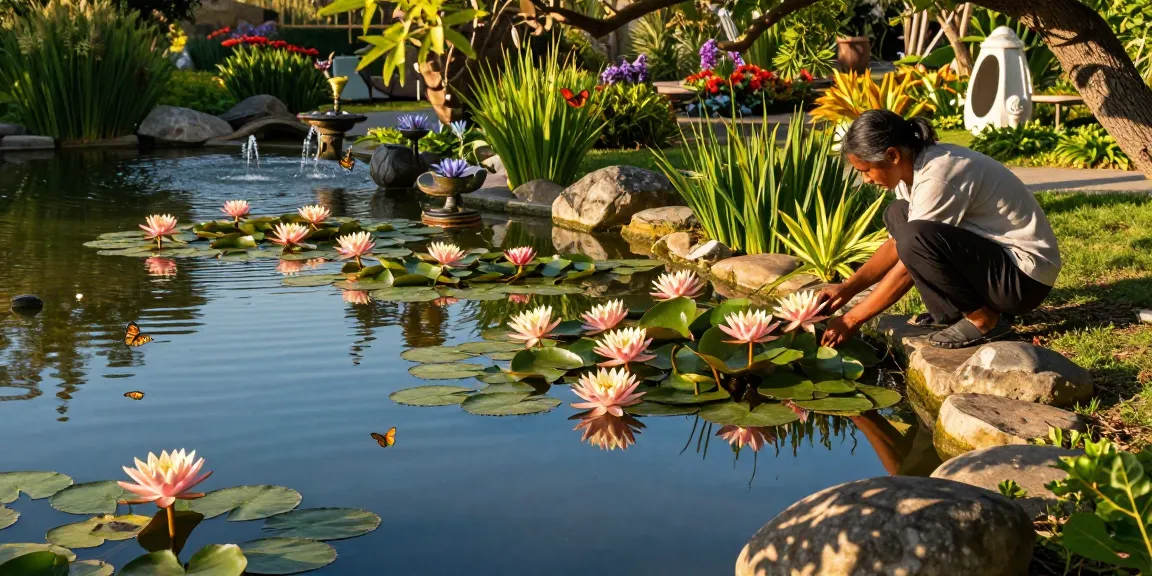
The Essential Role of Water Lilies in Pond Ecosystems
Water lilies are not just beautiful additions to garden ponds; they play a crucial role in maintaining the health and balance of these aquatic ecosystems. As floating-leaved plants, they create shade that regulates water temperature, helping to create a habitat conducive to various aquatic life. Moreover, their presence can significantly improve the overall quality of the pond’s water.
When exploring options, Water Lilies can serve as a natural filter, absorbing excess nutrients and providing a home for beneficial microbes. These plants can also help reduce algae growth, making them essential for any pond owner aiming to maintain clear and healthy water.
How Water Lilies Improve Pond Health
Water lilies contribute to pond health in several ways. First, they produce oxygen through photosynthesis, which is vital for the survival of fish and other aquatic organisms. The oxygen-rich environment promotes a balanced ecosystem, fostering biodiversity.
Additionally, water lilies help stabilize sediment on the pond’s bottom, reducing the amount of suspended particles in the water. This sediment stabilization contributes to clearer water, benefiting both the aesthetic and ecological aspects of your pond.
Balancing Your Pond’s Nutrient Cycle
Every pond has a nutrient cycle that requires careful management. Water lilies can aid in this process by absorbing nutrients such as nitrogen and phosphorus from the water, which are often excess due to runoff and decay. By limiting these nutrients, water lilies reduce the likelihood of algal blooms, which can deplete oxygen levels and harm aquatic life.
Furthermore, as water lilies die back in the winter, they decompose and release nutrients back into the pond, thereby completing the nutrient cycle and supporting the growth of other aquatic plants in spring.
Supporting Local Wildlife with Water Lilies
Water lilies provide essential habitat for various species, including amphibians, fish, and insects. Their broad leaves offer resting and breeding spots for frogs, while the blooms attract pollinators like bees and butterflies. This biodiversity not only enhances the ecological value of your pond but also contributes to a healthier environment.
Choosing the Right Water Lilies for Your Garden
Selecting the appropriate water lilies for your garden is crucial for achieving both aesthetic appeal and ecological functionality. The right variety will depend on your climate, pond size, and personal preferences regarding color and size.
Popular Water Lily Varieties for Different Climates
Different water lily species thrive in various climates. For example, the Nymphaea odorata, or American white water lily, is well-suited for temperate zones, while the exotic Nymphaea ‘Blue Beauty’ thrives in warmer regions. Knowing your USDA Hardiness Zone can greatly assist in choosing the right variety.
For colder regions, consider hardy varieties that can survive winter temperatures, whereas tropical varieties require warmer water and are best suited for warmer climates where the pond does not freeze.
Color and Size Considerations When Selecting
Water lilies come in a spectrum of colors, including white, pink, yellow, and blue. When planning your pond, consider how these colors will complement your existing landscape. Size is another factor; some varieties may spread over several feet, while others remain compact. Choose based on the space available and the overall aesthetic you wish to create.
How to Source Healthy Water Lily Plants
When sourcing water lilies, opt for reputable nurseries or garden centers specializing in aquatic plants. Healthy water lily plants will have strong roots and vibrant leaves. If possible, inspect the plants before purchasing to ensure they are free from pests and diseases.
Cultivating and Caring for Water Lilies
Once you’ve selected your water lilies, proper care is essential to promote healthy growth and abundant blooms. Here are key aspects to consider in their cultivation.
Best Practices for Planting Water Lilies
Water lilies are typically planted in containers filled with aquatic planting soil. This method prevents them from spreading uncontrollably. Ensure the container has drainage holes to prevent waterlogging. Plant your water lilies at a depth that matches their specific needs—most require 12 to 18 inches of water above the soil level.
Maintenance Tips to Ensure Healthy Growth
Regular maintenance is essential for thriving water lilies. Fertilization, typically done in early spring, will help enhance growth and flowering. Apply aquatic plant fertilizer according to the manufacturer’s instructions, generally every 4-6 weeks during the growing season.
Moreover, deadheading spent flowers and pruning yellowing leaves not only maintains the plant’s aesthetics but also directs energy to healthy growth.
Common Pests and Diseases to Watch For
Water lilies can be susceptible to pests like aphids and snails, as well as diseases such as crown rot and leaf spot. Regularly inspect your plants for signs of distress. If pests are detected, consider using organic insecticides or introducing beneficial insects like ladybugs to manage populations naturally.
Designing an Aesthetic Pond with Water Lilies
Creating a visually striking pond involves careful planning and design. Water lilies are a central element in achieving this beauty.
Creating Visual Interest with Water Lilies
To create visual interest, stagger the planting of water lilies with different bloom times and colors. This technique ensures that your pond maintains an appealing look throughout the growing season. Consider layering taller plants behind shorter ones to add depth to the composition.
Combining Water Lilies with Other Aquatic Plants
Water lilies pair beautifully with a variety of aquatic plants, such as cattails, irises, and submerged plants like anacharis. This combination not only enhances the aesthetic but also promotes a balanced ecosystem by offering varying habitats and improving oxygenation.
Water Lily Positioning for Optimal Aesthetics
Position your water lilies strategically, ensuring they receive adequate sunlight while not overcrowding the pond. Water lilies should be placed where they can spread out without blocking pathways or views of the pond from different angles.
Future Trends in Water Lily Gardening for 2026
As we look towards 2026, water lily gardening is set to evolve with innovative practices tailored to emerging environmental challenges and personal preferences.
Innovative Water Gardening Techniques Emerging in 2026
Future trends in water gardening include the integration of technology, such as water quality sensors that monitor nutrient levels and pH balance. These advancements will help gardeners maintain optimal conditions for water lilies and other aquatic plants.
Sustainable Practices for Water Lily Cultivation
2026 will see a greater push for sustainable gardening practices, including the use of organic fertilizers and rainwater harvesting to reduce the ecological footprint of water lily cultivation. Creating a sustainable ecosystem not only benefits the environment but also enhances the health of your pond.
Adapting to Climate Change: What Gardeners Should Know
Gardeners must be prepared to adapt their practices to changing climate conditions. Selecting water lilies that are resilient to temperature fluctuations and extreme weather events is crucial. Additionally, understanding water evaporation rates and adjusting watering schedules will be important for maintaining healthy plants.
What types of water lilies are best for beginners?
For beginner gardeners, hardy water lilies like Nymphaea ‘Colorado’ or ‘Pink Sensation’ are ideal due to their resilience and low maintenance needs. These varieties adapt well to different pond conditions and provide vibrant blooms.
How often should I fertilize my water lilies?
Fertilization should typically occur every 4-6 weeks during the active growing season, using aquatic-specific fertilizers to ensure that nutrients are readily available to the plants.
Can water lilies survive winter in my pond?
Hardy water lilies can survive winter if planted in deeper areas of the pond where temperatures remain stable. In colder regions, additional insulation can be provided by covering the pond with floating frost blankets.
What is the best depth for planting water lilies?
The best planting depth varies by species; however, most water lilies prefer to be placed at a depth of 12 to 18 inches from the soil to the top of the water surface.
How do I control algae growth near my water lilies?
To control algae growth, maintain a balanced ecosystem by incorporating water lilies and other aquatic plants that compete with algae for nutrients. Additionally, avoid over-fertilization and consider using natural algae control methods.