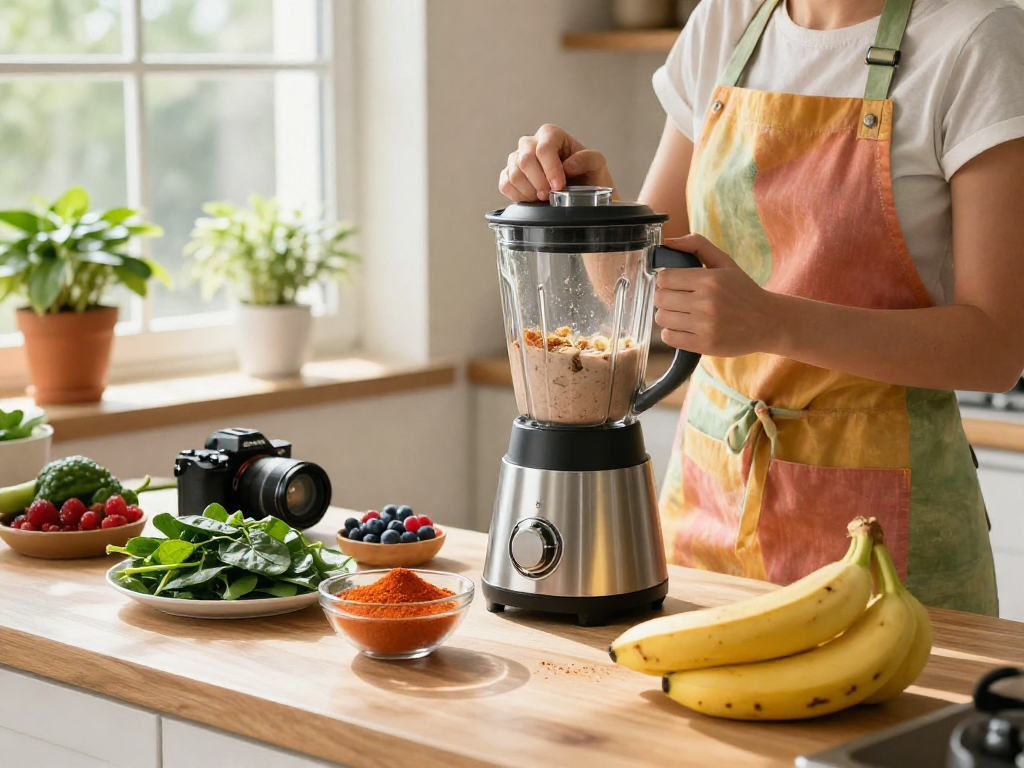
Understanding Vegan Astaxanthin Supplements
As the wellness industry continues to evolve, the demand for effective and sustainable health supplements is at an all-time high. Among these, the vegan astaxanthin supplement has emerged as a powerful option for health-conscious individuals. Derived primarily from microalgae, astaxanthin is a potent antioxidant that is making waves for its myriad health benefits and its suitability for vegan diets. This article will explore what astaxanthin is, its benefits, why a vegan source is important, and how to select the best supplement for your needs.
What is Astaxanthin and Its Benefits?
Astaxanthin is a carotenoid, a type of pigment found in various algae and seafood, responsible for the pink and red colors seen in salmon, shrimp, and flamingos. However, the most notable source of astaxanthin for vegans comes from the microalgae Haematococcus pluvialis. This powerful antioxidant is known for its ability to combat oxidative stress in the body, thereby helping to reduce inflammation and support a variety of health functions.
- Antioxidant Power: Astaxanthin is often hailed for its exceptional antioxidant capacity, which is reported to be 6000 times stronger than vitamin C. This quality helps neutralize free radicals that contribute to aging and chronic diseases.
- Skin Health: Several studies have shown that astaxanthin may improve skin elasticity, moisture levels, and overall appearance, making it a go-to supplement for skincare enthusiasts.
- Eye Health: Astaxanthin is also recognized for its potential benefits for eye health, as it can help filter harmful blue light and reduce eye strain, particularly for those who spend long hours in front of screens.
- Joint and Muscle Health: Regular intake of astaxanthin is believed to support joint health and recovery post-exercise, making it beneficial for athletes and active individuals.
Why Choose a Vegan Source?
Choosing a vegan source of astaxanthin is crucial for a couple of reasons. Firstly, it ensures that the product is free from animal-derived ingredients, which is essential for those following a strict vegan lifestyle. Secondly, the vegan sourcing from microalgae not only aligns with ethical considerations but also promotes sustainable harvesting practices. This is particularly important in today's climate-conscious society that values environmental sustainability alongside personal health.
Essential Nutritional Properties of Astaxanthin
The nutritional profile of astaxanthin is impressive and contributes significantly to its health benefits. It is not only a potent antioxidant but also contains essential fatty acids, vitamins, and minerals that support overall health. Notably, astaxanthin is fat-soluble, which means that consuming it with a source of healthy fats can enhance its absorption in the body. This makes it an ideal supplement to pair with avocado, nuts, or olive oil to maximize its benefits.
The Science Behind Astaxanthin
How Astaxanthin Works in the Body
Astaxanthin operates at a cellular level, embedding itself in cell membranes and preventing oxidative damage caused by free radicals. Its unique chemical structure allows it to neutralize reactive oxygen species (ROS) more efficiently than many other antioxidants. By doing so, it can reduce oxidative stress, which is linked to various chronic conditions, including cardiovascular diseases and neurodegenerative disorders.
Research-Backed Health Benefits
A wealth of research supports the health claims associated with astaxanthin. Studies have shown that it can enhance aerobic capacity, improve recovery after strenuous exercise, and reduce inflammation markers in the body. For individuals dealing with chronic conditions, astaxanthin may also play a role in managing symptoms of conditions like arthritis and metabolic syndrome. Moreover, ongoing studies continue to explore its potential in cancer prevention and heart health.
Common Misconceptions about Astaxanthin
Despite the growing popularity of astaxanthin, several misconceptions persist. One common belief is that all astaxanthin products are created equal. However, the source, extraction method, and whether it is synthetic or natural can significantly affect its efficacy. Additionally, some people worry that astaxanthin can cause skin or other health issues. In fact, research demonstrates that astaxanthin is considered safe for most people when taken at recommended dosages.
Selecting the Right Vegan Astaxanthin Supplement
Criteria for Choosing High-Quality Supplements
When searching for a vegan astaxanthin supplement, quality should be a top priority. Look for products that offer a high concentration of astaxanthin, preferably derived from organic sources. Transparency in sourcing, manufacturing practices, and third-party testing can also indicate a reputable product. Moreover, consider the formulation—products combined with healthy fats can provide better absorption and efficacy.
Understanding Labels and Certifications
Understanding product labels is key to choosing the right supplement. Look for certifications like USDA Organic, Non-GMO Project Verified, and vegan certifications to ensure the product meets your dietary preferences and safety standards. Additionally, reading customer reviews can provide insights into the effectiveness and reliability of the supplement from other users’ experiences.
Top Vegan Astaxanthin Brands in 2026
As the market for vegan astaxanthin supplements grows, several brands have stood out due to their quality and commitment to sustainability. Brands like Astaxanthin International and Algalife are noted for their high-quality formulations and rigorous testing standards. Always conduct your research to find a brand that resonates with your health philosophies and needs.
Incorporating Astaxanthin into Your Daily Routine
Best Ways to Consume Vegan Astaxanthin
Integrating astaxanthin into your daily regimen can be straightforward. The supplement is available in various forms, including capsules, powders, and liquid drops. For optimal results, take astaxanthin with meals that contain healthy fats. This practice enhances absorption and maximizes the benefits, allowing you to harness its potential fully.
Combining with Other Nutrients for Maximum Benefit
Astaxanthin works well with a variety of other nutrients. Combining it with omega-3 fatty acids, for instance, can enhance its anti-inflammatory properties. Additionally, taking it alongside vitamins A and E can support its antioxidant effects, providing a synergistic approach to enhancing overall health.
Daily Dosage Recommendations and Considerations
The recommended dosage for astaxanthin can vary depending on the individual's health goals and the specific formulation of the supplement. However, most studies suggest a daily intake ranging from 4 to 12 mg. It's essential to consult with a healthcare provider to determine the appropriate dosage, especially if you're pregnant, nursing, or taking medications.
Future Trends in Vegan Astaxanthin Supplements
Emerging Research and Innovations for 2026
As the interest in vegan astaxanthin continues to rise, ongoing research is expected to yield new insights into its capabilities. Innovations could include advanced extraction techniques that enhance potency and bioavailability, as well as new formulations that combine astaxanthin with other beneficial ingredients.
The Growing Market for Plant-Based Supplements
The trend towards plant-based diets is driving the demand for natural dietary supplements, including vegan astaxanthin. Consumers are increasingly seeking products that align with their values of health, sustainability, and ethical sourcing. This is paving the way for a more diverse array of plant-based health products on the market.
Predicted Health Trends and Consumer Preferences
Looking ahead to 2026, consumers are anticipated to prioritize supplements that offer multifaceted benefits, such as immune support, skin health, and anti-inflammatory properties. As a response, brands will likely innovate to meet these demands, providing customized solutions that cater to individual health needs and preferences.
What is astaxanthin good for?
Astaxanthin supports various health aspects, including skin health, eye health, immune system strength, and anti-inflammatory effects. Its versatility makes it an attractive supplement option for those aiming to enhance overall wellness.
Can vegans take astaxanthin supplements?
Yes, vegans can safely take astaxanthin supplements sourced from microalgae, making it a suitable option for those following a plant-based diet. This ensures adherence to dietary restrictions while still benefiting from the health-promoting properties of astaxanthin.
How much vegan astaxanthin should I take?
A typical daily dosage ranges from 4 to 12 mg, depending on factors like dietary habits and health objectives. It is prudent to consult with a healthcare professional for personalized recommendations regarding supplementation.
Are there side effects of astaxanthin supplements?
Astaxanthin is generally well-tolerated, with few reported side effects. However, some individuals may experience gastrointestinal discomfort or allergic reactions. Monitoring your body's response to the supplement is advisable, especially when starting.
How to choose the best vegan astaxanthin product?
To select the best vegan astaxanthin supplement, prioritize quality, potency, and reputation. Look for products with clear labeling regarding sourcing and manufacturing practices, and check for third-party testing for quality assurance. These steps can help ensure you make an informed choice that suits your health goals.