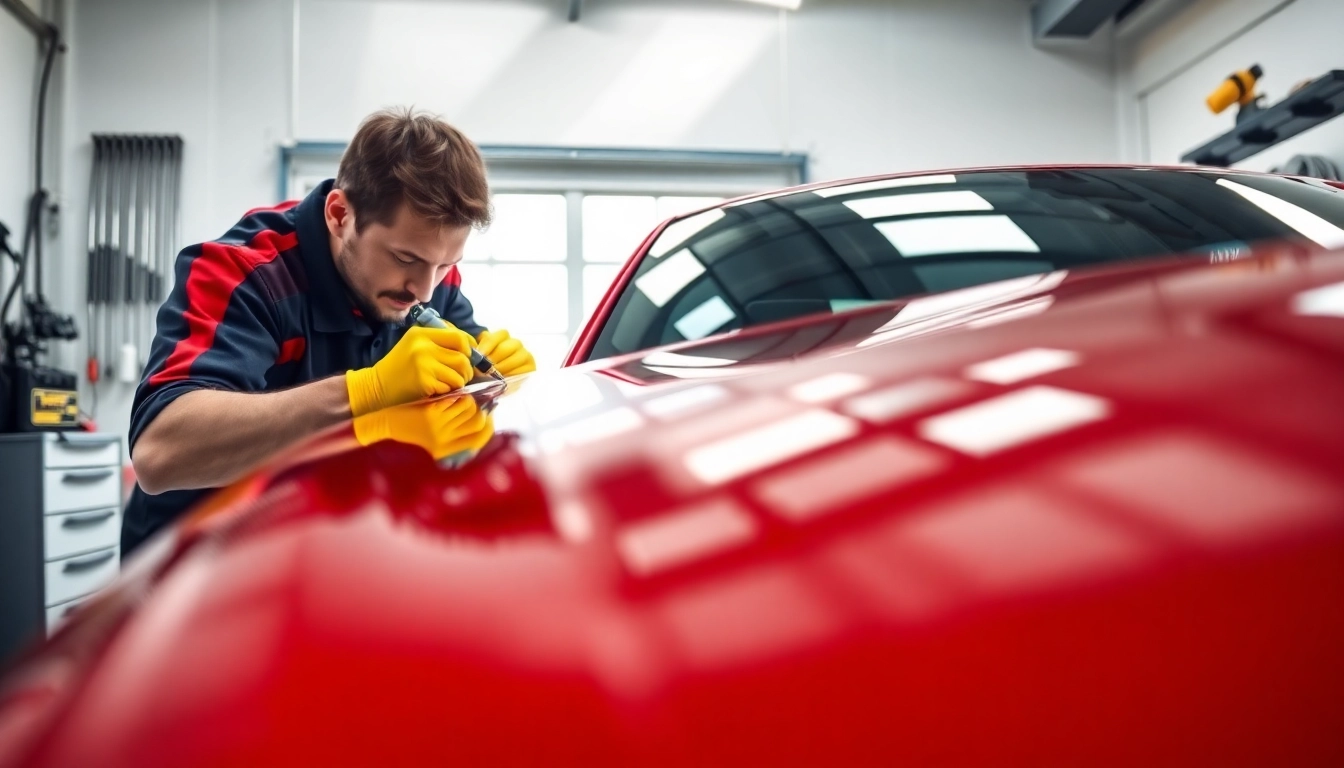
Understanding Salt Protection Ceramic Coating
What is Salt Protection Ceramic Coating?
Salt protection ceramic coating is a specialized, high-performance protective layer applied to the exterior of vehicles to shield against corrosive elements like road salt. During winter, when salt is used to de-ice roads, it poses a significant threat to vehicles, causing paint degradation and metal corrosion. This type of ceramic coating forms a long-lasting, hydrophobic barrier on the vehicle's surface, significantly enhancing its resistance to harsh environmental conditions. By creating a chemical bond with the vehicle’s factory paint, salt protection ceramic coating ensures that dirt, grime, and salt do not easily adhere, facilitating easier cleaning and maintenance. The unique molecular structure of the coating allows it to withstand various weather conditions, including moisture and temperature fluctuations, preserving the vehicle’s appearance and integrity.
Benefits of Salt Protection
- Corrosion Resistance: One of the primary benefits of salt protection ceramic coating is its ability to resist corrosion caused by salt exposure. This is crucial in areas where winter road maintenance frequently involves salt application.
- Enhanced Appearance: The coating not only protects but also enhances the vehicle’s shine, giving it a fresh and polished look that lasts longer than traditional waxing.
- Hydrophobic Properties: The coating creates a water-repellent surface, which prevents water from pooling on the paint and reduces the chances of stains.
- Easy Cleaning: Since dirt and salt are less likely to adhere to a coated surface, washing your vehicle becomes easier and less frequent, saving time and effort.
- Long-Term Protection: Unlike conventional waxes, which can wear off quickly, ceramic coatings can last for several years, providing prolonged protection against various elements.
Common Myths Debunked
Despite the growing popularity of salt protection ceramic coatings, several myths persist, potentially deterring vehicle owners from investing in this essential protection. One common misconception is that ceramic coatings are impervious to scratches. While they offer dramatically enhanced resistance to minor abrasions, they are not entirely scratch-proof. Another myth is that a ceramic coating completely removes the need for washing the vehicle. Regular cleaning is still necessary to maintain both the coating and the vehicle's appearance. Additionally, some believe that once applied, the ceramic coating is maintenance-free. In reality, periodic inspections and reapplications are crucial to ensure optimal performance over time. Understanding the truths of ceramic coatings can help vehicle owners better protect their investments.
Choosing the Right Ceramic Coating
Factors to Consider for Salt Protection
When selecting a ceramic coating specifically designed for salt protection, several factors should be considered. It is essential to evaluate the formulation of the coating and determine whether it is designed to withstand the harsh conditions associated with salt. Look for products that emphasize their corrosion-resistant properties and have been tested against saltwater exposure. The thickness and durability of the coating are also critical; thicker coatings generally offer better protection. Moreover, consider the application process, as professional products might require specific preparation and installation procedures to maximize effectiveness. Lastly, review the warranty and performance guarantees associated with the coating, as these indicate the manufacturer's confidence in their product's durability.
Comparing Options: DIY vs Professional
Choosing between DIY and professional application of salt protection ceramic coating can significantly influence the coating's performance. Professional services offer detailed attention and expertise, ensuring that the coating is applied under ideal conditions, resulting in a more uniform and durable finish. They often have access to higher-quality materials and tools that are not readily available to consumers, which enhances the coating's effectiveness. In contrast, DIY applications are cost-effective and allow for individualized customization. However, they require thorough preparation and attention to detail, which may be challenging for those without experience. Overall, the decision should weigh the potential for cost savings against the risks associated with improper application.
Cost Considerations for Salt Protection
The cost of applying salt protection ceramic coating can vary widely based on several factors, including the quality of the coating, the size of the vehicle, and whether the application is done professionally or as a DIY project. On average, professional applications can range from $500 to $2000, depending on the brand of the coating and the detailing service's reputation. DIY kits generally cost less, typically ranging from $50 to $300. It’s vital to consider the long-term value of investing in a high-quality coating that can extend the lifespan of your vehicle’s paint and reduce the need for costly repairs due to corrosion. Additionally, factor in potential savings on car washes and detailing in the long run.
Application Process
Preparing Your Vehicle for Application
Proper preparation is crucial for the effective application of salt protection ceramic coating. Begin by thoroughly washing your vehicle to remove any dirt and contaminants, focusing on areas that commonly accumulate grime. After washing, decontaminate the paintwork using a clay bar to eliminate embedded particles that could interfere with the bonding of the coating. Following this, inspect the exterior for any scratches or imperfections; repair these before proceeding to ensure a smooth surface for application. It’s also imperative to work in a controlled environment, free from dust, moisture, and direct sunlight, to allow for optimal curing of the coating.
Step-by-Step Guide to Application
- Wash and Decontaminate: Thoroughly wash the vehicle, then use a clay bar to remove embedded contaminants.
- Dry the Surface: Use a microfiber towel to dry the vehicle completely, ensuring no moisture is left behind.
- Apply IPA Wipe: Wipe down the surface with isopropyl alcohol (IPA) to further cleanse and prepare the paint for coating.
- Mix the Coating: Prepare the ceramic coating according to the manufacturer’s instructions, ensuring you have everything needed for application.
- Application: Using an applicator pad, apply the coating in small sections, ensuring even coverage.
- Flash and Buff: Allow the coating to flash as per instructions, then buff off any excess using a clean microfiber towel for a beautiful shine.
- Cure Time: Allow adequate curing time as recommended before exposing the vehicle to the elements.
Post-Application Care for Best Results
After applying salt protection ceramic coating, proper care is vital to ensure the coating achieves its maximum potential. Initially, avoid contact with water or any contaminants for at least a week to ensure proper curing. Wash the vehicle using pH-neutral car shampoo instead of traditional detergents to avoid degrading the coating. Regular maintenance should include gentle washing and potentially using a dedicated detailing spray to enhance the coating's hydrophobic properties. Additionally, occasionally inspect the surface to check for signs of degradation and reapply as necessary; this will help maintain the protective barrier against salt damage and other environmental hazards.
Performance and Longevity of Ceramic Coatings
How Long Does Salt Protection Last?
The longevity of salt protection ceramic coating can vary significantly based on several factors, including the quality of the product, the method of application, and environmental conditions. High-quality professional coatings can last anywhere from three to five years, while lower-tier options might provide protection for one to two years. Regular maintenance routines, including proper washing techniques and occasional inspections, can extend the lifespan of the coating, safeguarding your vehicle's surface against corrosive elements such as road salt.
Signs Your Coating Needs Maintenance
Monitoring the health of your salt protection ceramic coating is crucial for maintaining its effectiveness. Signs that your coating may need maintenance include a decrease in water beading, which indicates that the hydrophobic properties are wearing off. Additionally, if you notice stubborn dirt or salt buildup that resists washing, it may be time to consider a maintenance application. Visual signs such as haze or uneven gloss can also indicate that the coating has aged and may require reapplication or detailing to restore its protective benefits.
Understanding Warranty Options
When investing in salt protection ceramic coating, it’s vital to review the associated warranty options carefully. Many professional-level coatings come with warranties ranging from one year to a lifetime, contingent upon proper maintenance and care. Understanding the specifics of these warranties can help you gauge the coating's expected performance and longevity. Some warranties may cover not only product defects but also specified environmental factors like salt damage, while others could be limited, providing only partial coverage against wear and tear. Always clarify these details with the provider before making a final decision.
FAQs About Salt Protection Ceramic Coating
What is the purpose of salt protection ceramic coating?
Salt protection ceramic coating prevents corrosion and protects your vehicle's paint from salt damage, extending its lifespan.
How long does it take to apply ceramic coating?
The application can take several hours to a full day, depending on the vehicle's size and the coating used.
Will I still need to wash my car regularly?
Yes, regular washes are still required to maintain the coating’s effectiveness and the vehicle’s appearance.
Can ceramic coating be applied in cold weather?
It’s best to apply ceramic coating in controlled temperatures; cold weather can affect adhesion and curing.
How does salt protection ceramic coating compare to waxing?
Unlike waxing, ceramic coating provides longer-lasting protection and durability against environmental factors like salt.