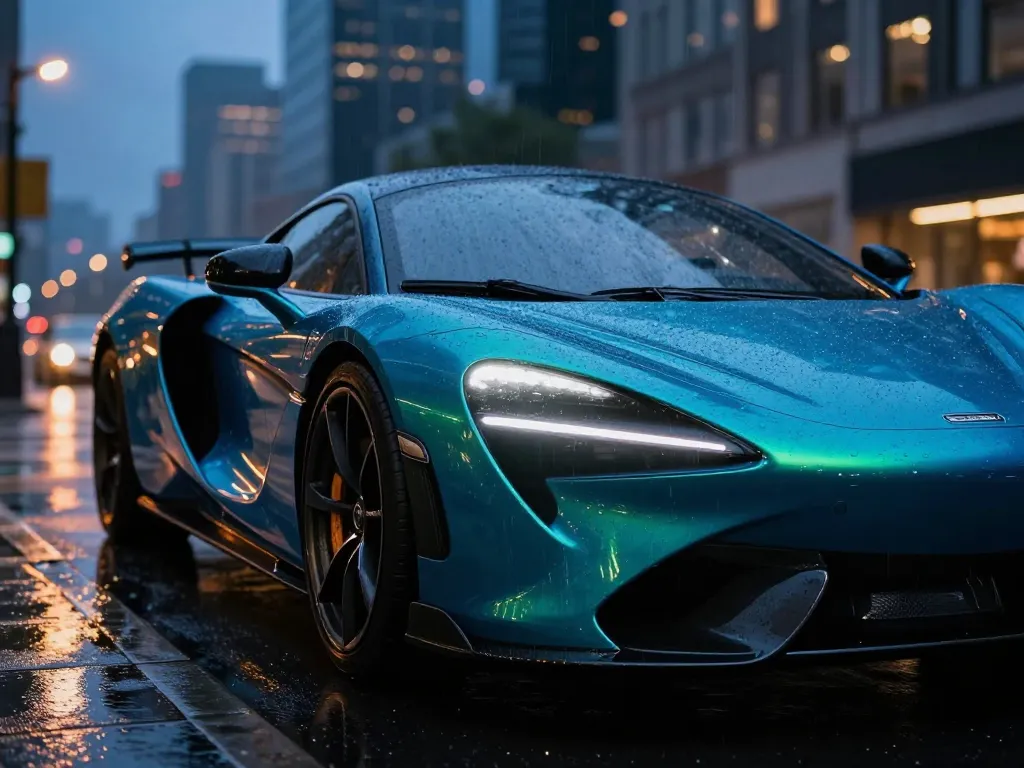
Understanding PPF Winter Road Salt Protection
As winter approaches, vehicle owners often seek ways to protect their cars from the harsh elements. One crucial factor is road salt, widely used to keep ice at bay but notorious for its corrosive effects on vehicles. This is where PPF winter road salt protection becomes essential. Paint Protection Film (PPF) is designed to shield your vehicle from road salt damage, prolonging its lifespan and maintaining its appearance. In this article, we'll delve deep into PPF, its importance during winter, and how it works to combat road salt damage.
What is PPF and Its Function?
Paint Protection Film (PPF) is a transparent thermoplastic urethane film that is applied to the exterior surfaces of vehicles. Its primary function is to protect the paint from scratches, chips, and other forms of damage caused by environmental factors. PPF acts as a sacrificial layer, absorbing impacts from debris and contaminants and maintaining the vehicle's finish.
Manufacturers design PPF to be resistant to various damaging influences, including UV rays, chemical spills, and physical abrasions. Its flexibility allows it to conform to the vehicle's shape, ensuring complete coverage and protection. Some high-quality PPF products even feature self-healing properties, which enable minor scratches and swirl marks to disappear over time when exposed to heat.
Importance of Winter Protection
Winter brings unique challenges for vehicle owners, particularly in regions that experience snow and ice. The use of road salt is prevalent in these areas, helping to melt ice on the roads but posing significant risks to vehicle paint and metal components. Road salt can accelerate rusting, damage the clear coat, and lead to costly repairs if not adequately addressed.
To mitigate these risks, PPF provides an added layer of protection. The film prevents direct contact between the road salt and the vehicle's paint, significantly reducing the chances of corrosion. Investing in PPF during winter helps ensure that your car remains in optimal condition, leading to long-term savings on repairs and maintenance.
How PPF Works Against Road Salt Damage
PPF creates an effective barrier against the degrading effects of road salt. When road salt splashes onto the vehicle, it would typically come into direct contact with the paintwork, leading to potential damage. However, with PPF installed, the salt crystals hit the film instead, which is designed to withstand such impacts.
The flexible nature of PPF allows it to absorb and distribute the force of impacts while preventing the salt from penetrating deeper into the paintwork. Moreover, because PPF is resistant to chemicals, it protects against the corrosive properties of road salt, extending the life of your vehicle's exterior. This compatibility with various weather conditions reinforces why PPF is a vital investment, especially during winter months.
Benefits of Using PPF Winter Road Salt Protection
Enhanced Durability and Longevity
One of the most significant advantages of PPF is its durability. The material is engineered to withstand heavy impacts and harsh environmental conditions. By applying PPF, vehicle owners can expect to see a notable increase in the lifespan of their vehicle's paint and an enhanced resale value. This protective layer helps to maintain the car’s aesthetic appeal and prevents issues related to rust and paint wear.
Aesthetic Retention
Maintaining the appearance of your vehicle is a high priority for many car owners. PPF helps achieve this by preventing unsightly scratches and chips that can occur due to road debris and, particularly, winter road salt. The film is virtually invisible once applied, ensuring that your vehicle retains its original aesthetics while benefitting from enhanced protection.
Furthermore, many PPF products are designed with self-healing technology, allowing minor scratches to fade away with exposure to heat, resulting in a consistently clean appearance. This aesthetic retention not only keeps your car looking newer for longer but also boosts your confidence in its appearance.
Cost-Effectiveness Over Time
While the initial investment in PPF might seem significant, it is imperative to look at the long-term cost benefits. Repairing paint damage and addressing rust issues can lead to expensive bills that accumulate over time. By opting for PPF, vehicle owners can save on these potential costs as the film acts as a protective buffer against damage.
Additionally, the value retention of your vehicle improves with PPF installed; a well-protected vehicle often fetches a better resale price. When considering the long-term benefits, the cost of PPF is a wise investment that pays off significantly through reduced maintenance and repair needs.
Common Misconceptions About PPF
PPF is Only for Luxury Vehicles
A common myth surrounding PPF is that it's only suitable for luxury or high-end vehicles. In reality, PPF can be beneficial for all types of vehicles. Whether you drive a compact car, SUV, or truck, PPF effectively protects against wear and tear, especially in regions prone to harsh winter conditions. The protection offered by PPF is accessible and applicable to every vehicle owner wanting to preserve their investment.
Regular Maintenance Costs
Another misconception is that maintaining PPF is expensive. In contrast, maintenance for PPF is relatively straightforward and cost-effective. Regular washing and occasional detailing will keep the film in excellent condition. Unlike traditional paint repairs, which can be tedious and costly, maintaining PPF requires minimal time and effort.
In fact, many car owners find that the time spent caring for their vehicle decreases due to the protective qualities of PPF, leading to overall easier vehicle maintenance.
PPF Detracts From Vehicle Appearance
Some people worry that applying PPF will change the look of their vehicle. This concern is largely unfounded as high-quality PPF is designed to be clear and virtually invisible. When properly installed, it enhances your car's appearance while providing crucial protection. Many owners are surprised to find that PPF improves the gloss and clarity of their vehicle’s finish, elevating its overall aesthetic appeal.
How to Apply PPF for Optimal Winter Protection
Preparation Steps Before Application
Preparing your vehicle before applying PPF is essential for ensuring a successful installation. Begin by thoroughly washing your car to remove dirt, wax, and any debris that could interfere with adhesion. Consider using a clay bar to eliminate surface contaminants for a smooth finish.
Once cleaned, dry the vehicle completely and inspect its surface for any imperfections. Ideally, any scratches or paint damage should be repaired before PPF installation, as the film will bond to the existing surface. If the vehicle is freshly painted, allow adequate curing time before applying the film.
Professional vs. DIY Installation
When it comes to installing PPF, you have two main options: professional installation or DIY. Professional installers have the experience and tools necessary to ensure a seamless installation, reducing the risk of bubbles and misalignments. They also have access to high-quality materials that may not be readily available for DIY projects.
However, if you're handy and want to save on installation costs, DIY kits are available. Just remember that achieving a flawless finish with DIY installation will require patience and practice. Whichever route you choose, adequate preparation and careful application are crucial for optimal protection.
Maintaining Your PPF After Installation
After PPF is applied, basic maintenance will ensure its longevity and effectiveness. It's advisable to wait at least 48 hours before washing your vehicle to allow the adhesive to fully cure. After that, you can wash your car using a pH-neutral soap and a soft microfiber cloth or sponge.
Avoid applying wax to the film, as it can interfere with the film's surface properties. Instead, maintain the shine by hand washing and considering periodic professional detailing. Regular inspections of the PPF for any signs of wear or damage will help extend its life and effectiveness.
FAQs on PPF Winter Road Salt Protection
How long does PPF last?
PPF typically lasts between 5 to 10 years, depending on maintenance and environmental factors.
Can PPF be removed?
Yes, PPF can be safely removed without damaging the vehicle's paint when done professionally.
Does PPF affect my vehicle's warranty?
Generally, PPF does not impact vehicle warranties, but it's best to check with your dealer.
Is PPF worth the cost?
Yes, considering its protective benefits and potential cost savings on repairs, PPF is a worthwhile investment.
Can I wash my car after applying PPF?
Yes, but wait at least 48 hours for the adhesive to fully cure before washing your car.