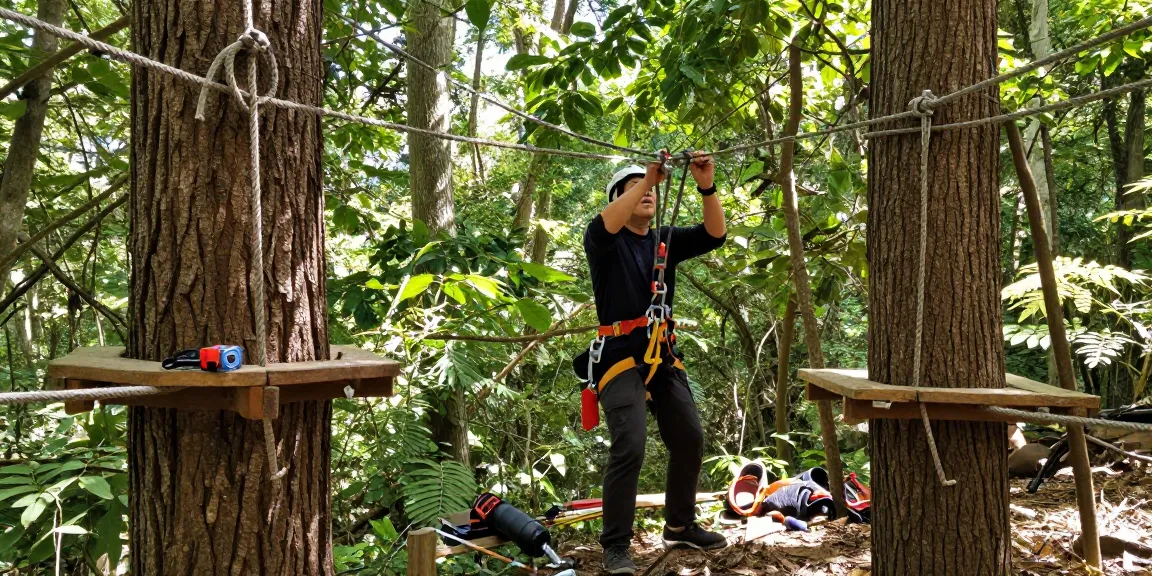
Understanding the Basics of Rope Bridge Design
Rope bridges have long captivated the human imagination, serving as both functional structures and symbols of adventure. A Rope Bridge design combines engineering precision with natural elements, providing a unique way to traverse landscapes, whether in remote areas or urban environments. Understanding the fundamentals of rope bridge design is essential for anyone looking to build or appreciate these fascinating structures.
What is a Rope Bridge?
A rope bridge is a type of bridge that uses ropes or cables as its primary support structure, typically suspended between two points. They are often constructed using lightweight materials that can withstand tension while allowing for flexibility and movement. This design not only facilitates crossings over rivers, valleys, or ravines but also adds an element of aesthetic beauty to the surroundings.
The Historical Context of Rope Bridges
Rope bridges have a rich historical background, dating back to ancient civilisations. The Inca Empire, for instance, is famous for its use of suspension bridges woven from natural fibers, demonstrating an advanced understanding of material properties and engineering principles. These bridges allowed the Inca to traverse the rugged terrains of the Andes, and their design principles continue to inspire modern builders.
Materials Used in Modern Rope Bridge Design
Modern rope bridges are crafted from a variety of materials aimed at enhancing durability and safety. Common materials include:
- Synthetic Ropes: These are often made from nylon or polyester, offering high tensile strength and resistance to environmental factors.
- Steel Cables: For longer spans, steel cables are preferred due to their immense strength and longevity.
- Wooden Decking: Used for the walking surface, treated wood provides a sturdy platform while blending aesthetically with natural surroundings.
Types of Rope Bridges: Choosing the Right Design
When embarking on a rope bridge project, understanding the various types of designs available is key to selecting the appropriate structure for your needs. Different designs cater to specific functional requirements and environmental conditions.
Suspended vs. Fixed Rope Bridges
Rope bridges can broadly be classified into two categories: suspended and fixed. Suspended rope bridges are suspended between two or more supports, allowing for significant flexibility and movement. In contrast, fixed rope bridges are anchored and offer a more stable crossing, making them suitable for heavier traffic. Choosing between these options depends on factors such as load requirements, site conditions, and safety considerations.
Factors Influencing Design Choices
Several factors influence the design of a rope bridge, including:
- Span Length: The distance between supports significantly affects design choices. Longer spans may require additional engineering considerations and stronger materials.
- Environmental Conditions: Factors such as wind load, weather patterns, and geographical features must be considered for durability and safety.
- Intended Use: The purpose of the bridge — whether for pedestrian traffic, bicycles, or light vehicles — will dictate the design specifications.
Case Studies of Successful Rope Bridge Projects
Notable examples of rope bridges can provide insight into effective design and construction practices. The Akashi Kaikyō Bridge in Japan, while primarily a suspension bridge, showcases techniques that can be applied to smaller rope bridge projects. Additionally, smaller community projects across rural areas demonstrate how rope bridges can foster connectivity and support local economies.
Step-by-Step Guide to Building Your Own Rope Bridge
Creating a rope bridge can be an exciting DIY project, but it requires careful planning and execution. Here is a step-by-step guide to help you embark on this journey.
Planning and Site Selection
The first step in building a rope bridge is choosing the right location. Ensure that the site has sturdy anchor points, such as trees or posts, and assess the surrounding terrain for safety and accessibility. A comprehensive site plan will help streamline the construction process.
Required Tools and Materials
Gathering the right tools and materials is crucial for a successful build. Commonly required tools include:
- Post hole digger
- Measuring tape
- Drill with appropriate bits
- Safety harnesses and gear
Materials will typically include ropes, steel cables, wooden planks for decking, and suitable anchors for securing the structure.
Construction Techniques for Safety and Durability
Safety should always be your top priority when constructing a rope bridge. Employ techniques such as double knotting the ropes, ensuring adequate tension is maintained, and regularly testing the structure during the build. Following engineering principles for load distribution will enhance the bridge’s longevity and safety.
Maintenance and Safety Considerations for Rope Bridges
Once your rope bridge is constructed, ongoing maintenance is essential to ensure its safety and functionality. Regular inspections should be scheduled to identify any potential wear and tear, especially in high-usage areas.
Regular Inspection Protocols
Establish a maintenance schedule that includes checking the integrity of ropes, cables, and structural components. Inspections should be conducted at least bi-annually and after severe weather events. Look out for signs of fraying, rust, or looseness.
Common Problems and Their Solutions
Common issues that may arise include:
- Rope Wear: Replace worn ropes promptly to prevent failures.
- Decking Rot: Treat wooden decking regularly with preservatives to prevent decay.
- Anchor Loosening: Ensure that all anchors are securely fastened and recheck them periodically.
Ensuring Safety in Design and Use
Designing with safety in mind will mitigate risks. This includes using appropriate materials, adhering to weight limits, and ensuring the bridge is well-marked for users. Educating users about safe crossing practices is also vital.
The Future of Rope Bridge Design: Trends and Innovations for 2026
The landscape of rope bridge design is evolving rapidly, driven by technological advancements and a growing emphasis on sustainability. Here, we explore some trends shaping the future of this industry.
Eco-Friendly Materials and Sustainable Practices
As environmental considerations become paramount, the use of eco-friendly materials such as recycled plastics and sustainably sourced wood is on the rise. Designing bridges that minimise ecological impact while providing functional benefits is essential for future projects.
Technological Advances in Design and Construction
Innovations in 3D modelling and simulation technology are transforming how engineers approach rope bridge design. These tools allow for precise calculations and testing of strength, ensuring greater safety and efficiency in construction.
Community Engagement and Collaborative Projects
Involving the community in the design and building process fosters a sense of ownership and appreciation for the structure. Collaborative projects often lead to innovative solutions tailored to local needs while strengthening community bonds.
FAQs
How do I build a rope bridge?
Building a rope bridge requires careful planning, appropriate materials, and safety measures. Start by selecting a suitable site and gathering necessary tools and materials, followed by following construction best practices.
What are the different types of rope bridges?
Rope bridges can be categorized into suspended and fixed types, each suited for different applications and environmental conditions.
How much does a rope bridge cost?
The cost of a rope bridge varies significantly based on its size, material choices, and complexity, with simple DIY projects being more affordable than professionally engineered structures.
What is the simplest bridge design?
Simple designs such as the plank and rope bridge are often the easiest to construct, requiring minimal materials and skills.
Where to find rope bridge design plans?
Design plans for rope bridges can often be found online, in DIY project books, or through community workshops specializing in outdoor structures.