The Importance of Electric Chain Hoist Cranes in Modern Industry
In today's fast-paced industrial landscape, effective lifting solutions are crucial for enhancing productivity and efficiency. Among the various lifting equipment available, the electric chain hoist crane has emerged as a staple in sectors ranging from manufacturing to construction. Understanding the significance of these cranes is essential for organizations seeking to improve their operational workflows and ensure safety in heavy lifting tasks.
Understanding Electric Chain Hoist Cranes
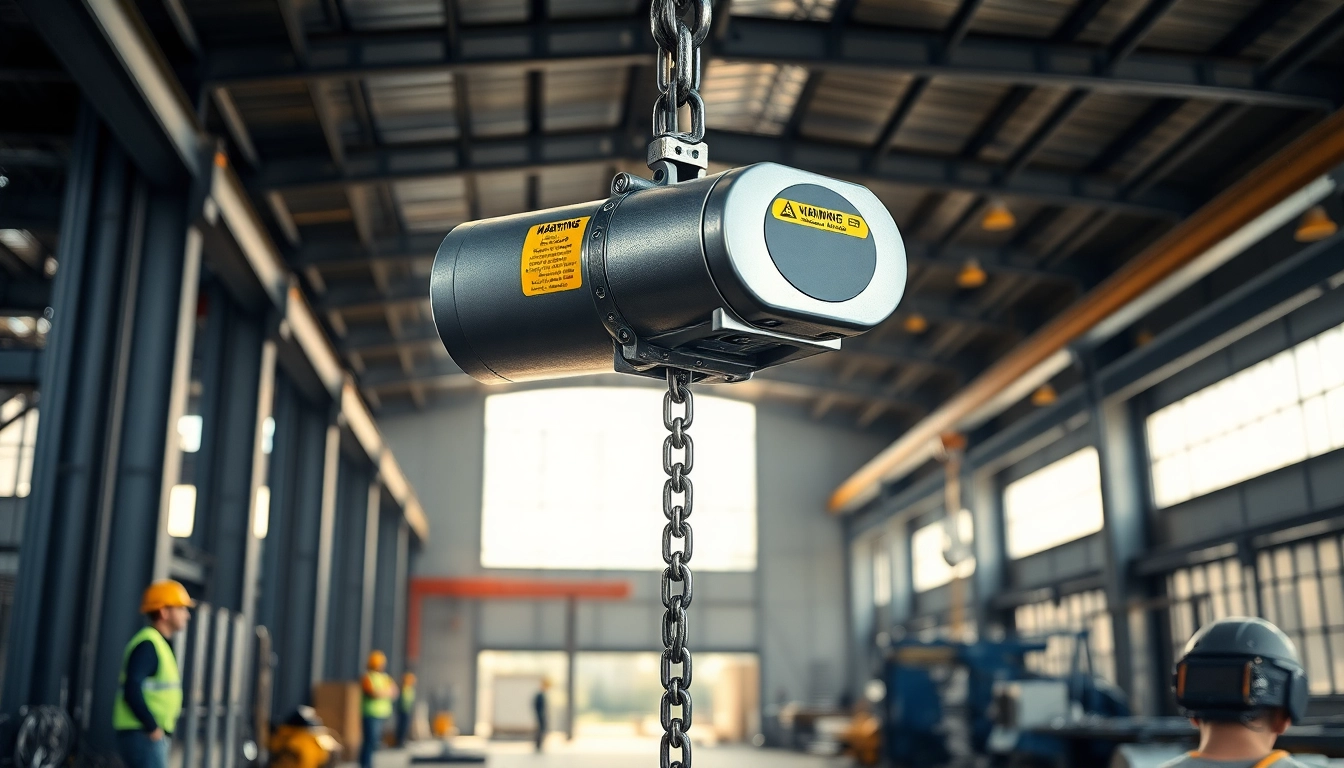
An electric chain hoist crane is a powerful lifting device that utilizes a motorized chain mechanism to elevate heavy loads with precision. Unlike manual hoists, which require significant physical effort, electric chain hoists are designed for heavy-duty applications, allowing for the lifting and lowering of materials with minimal manual input. They are equipped with various safety features to prevent accidents and ensure compliance with industry standards.
Key Advantages Over Manual Alternatives
One of the primary benefits of electric chain hoist cranes is their ability to handle heavier loads compared to their manual counterparts. Here are some key advantages:
- Increased Efficiency: Electric hoists can lift larger weights at a faster rate, thus reducing the time needed for lifting tasks.
- Reduced Physical Strain: Operators can manage heavy loads without the physical exertion required with manual hoists, decreasing the risk of injury.
- Consistent Lifting Power: These cranes maintain a steady lift speed and pressure, offering better control over load movement.
- Enhanced Safety Features: Modern electric hoists come with integrated safety systems, including overload protection, limit switches, and emergency stop functions.
Applications Across Various Industries
Electric chain hoist cranes find versatile applications across multiple industries, such as:
- Construction: Used for lifting concrete blocks, steel beams, and other heavy materials.
- Manufacturing: Ideal for assembly lines where precision lifting is needed for components and finished products.
- Warehousing: Helps in moving heavy pallets and cargo efficiently within storage facilities.
- Automotive: Commonly employed in car production and repair shops for lifting engines and other heavy parts.
Choosing the Right Electric Chain Hoist Crane
Selecting the appropriate electric chain hoist crane for specific applications ensures that lifting tasks are conducted safely and efficiently. With various models and specifications available, organizations must consider several factors during the selection process.
Factors to Consider When Selection
When choosing an electric chain hoist crane, consider these key factors:
- Load Capacity: Assess the maximum load requirements for your operations to select a hoist that can safely handle these weights.
- Lift Height: Determine the required lift height for your specific applications to ensure the hoist meets your needs.
- Power Source: Electric hoists can operate on different voltage systems, so choose one compatible with your facility's electrical infrastructure.
- Durability: Look for hoists constructed from high-quality materials for longevity, especially in harsh working environments.
Common Mistakes to Avoid
Organizations often make several common mistakes when selecting electric chain hoists, such as:
- Underestimating Load Requirements: Failing to accurately assess load weights can lead to selecting a hoist that is not robust enough.
- Ignoring Maintenance Costs: Some hoists may have lower upfront costs but higher maintenance expenses; it's essential to consider total cost of ownership.
- Neglecting Features: Choosing a basic model without necessary safety and operational features can result in safety hazards and inefficiencies.
Expert Insights on Performance Metrics
To ensure optimal performance from electric chain hoist cranes, experts recommend monitoring the following metrics:
- Lifting Speed: Assess the lifting speed to ensure it meets workflow demands.
- Duty Cycle: Understand the hoist's duty cycle (the ratio of operational to rest time) to avoid overheating and extend service life.
- Energy Efficiency: Evaluate the energy consumption of the hoist to reduce operational costs and environmental impact.
Installation and Safety Best Practices for Electric Chain Hoist Cranes
Proper installation and adherence to safety standards are paramount for the effective operation of electric chain hoist cranes. To mitigate risks and ensure smooth operations, follow these best practices.
Guidelines for Safe Installation
For safe installation, consider the following guidelines:
- Expert Assessment: Have a qualified professional assess the installation site to determine structural integrity and hoist requirements.
- Correct Mounting: Ensure that the hoist is mounted securely to handle the intended load and environmental conditions.
- Electrical Safety: Follow electrical codes and regulations to prevent electrical hazards and ensure operator safety.
Operational Safety Procedures
Once installed, it's essential to implement operational safety procedures to ensure the safe use of electric chain hoists:
- Operator Training: Train operators thoroughly on operating procedures and safety protocols specific to electric chain hoists.
- Load Testing: Conduct regular load tests to ensure the hoist can operate within its capacity safely.
- Inspection Routines: Establish routine inspection schedules to detect wear and tear and ensure all safety features are functional.
Regular Maintenance for Longevity
Maintenance plays a crucial role in prolonging the life of electric chain hoist cranes. Recommended practices include:
- Lubrication: Regularly lubricate moving parts to reduce friction and wear.
- Component Replacement: Replace worn or damaged components promptly to avoid functional failures.
- Documentation: Maintain detailed records of inspections, maintenance, and repairs to track the hoist's condition over time.
Future Trends in Electric Chain Hoist Crane Technology
As technology advances, electric chain hoist cranes are evolving to become more efficient, safe, and eco-friendly. Organizations must stay informed about upcoming trends to leverage these advancements effectively.
Innovative Features to Expect by 2025
By 2025, we can expect the integration of several innovative features in electric chain hoists, including:
- Smart Technology: Increased use of IoT and AI to enable predictive maintenance and real-time monitoring of hoist performance.
- Advanced Safety Systems: Enhanced safety features, including automatic load monitoring and emergency braking systems.
- Wireless Controls: Adoption of remote control systems for improved operator safety and convenience.
Impact of Automation on Lifting Solutions
Automation is set to redefine lifting solutions by increasing efficiency and reducing manual handling. Electric chain hoist cranes are likely to be integrated into automated systems, enabling seamless operations across various sectors.
Environmental Considerations and Sustainability
As industries focus more on sustainability, electric chain hoists are expected to incorporate eco-friendly materials and energy-efficient designs. Companies will increasingly favor products with lower carbon footprints and built-in recyclability.
Case Studies: Success Stories with Electric Chain Hoist Cranes
Real-world applications provide valuable insights into the effectiveness of electric chain hoist cranes across various sectors.
Real-World Applications in Construction
In the construction industry, electric chain hoists have been instrumental in improving efficiency. A case study from a large construction site illustrated that by transitioning from manual hoists to electric ones, the project achieved a 30% reduction in material handling time and improved safety records due to fewer accidents.
Efficiency Gains in Manufacturing Settings
A manufacturing facility specializing in automotive components reported that adapting electric chain hoist cranes in their assembly line led to a 40% increase in productivity. The ability to swiftly adjust load heights and move heavy components with precision significantly enhanced the workflow.
Lessons Learned and Best Practices
Several key lessons can be drawn from these case studies:
- Investing in high-quality hoists pays off in terms of efficiency and safety.
- Regular training and maintenance are imperative to maximize the operational lifespan of electric chain hoists.
- Staying updated with technological advancements can lead to improved performance and alignment with industry trends.