Understanding Concrete Cleaning Methods
Concrete surfaces, often found in driveways, patios, and commercial properties, are prone to dirt, stains, and algae growth over time. This not only affects their aesthetic appeal but can also lead to long-term damage if not addressed properly. Professional concrete cleaning services utilize various techniques to restore these surfaces, ensuring they look brand new while extending their lifespan.
1. The Importance of Professional Concrete Cleaning
Concrete cleaning is crucial for maintaining the structural integrity and visual appeal of surfaces. Regular cleaning prevents the buildup of grime, mold, and mildew, which can cause deterioration over time. Furthermore, a clean surface enhances the curb appeal of homes and businesses, making them more inviting. For commercial properties, cleanliness can directly impact customer perception and retention, highlighting the necessity of professional-grade cleaning techniques.
2. Different Techniques for Concrete Cleaning
There are multiple techniques employed in concrete cleaning, each suited to specific types of stains and surface conditions. Here are some of the most commonly used methods:
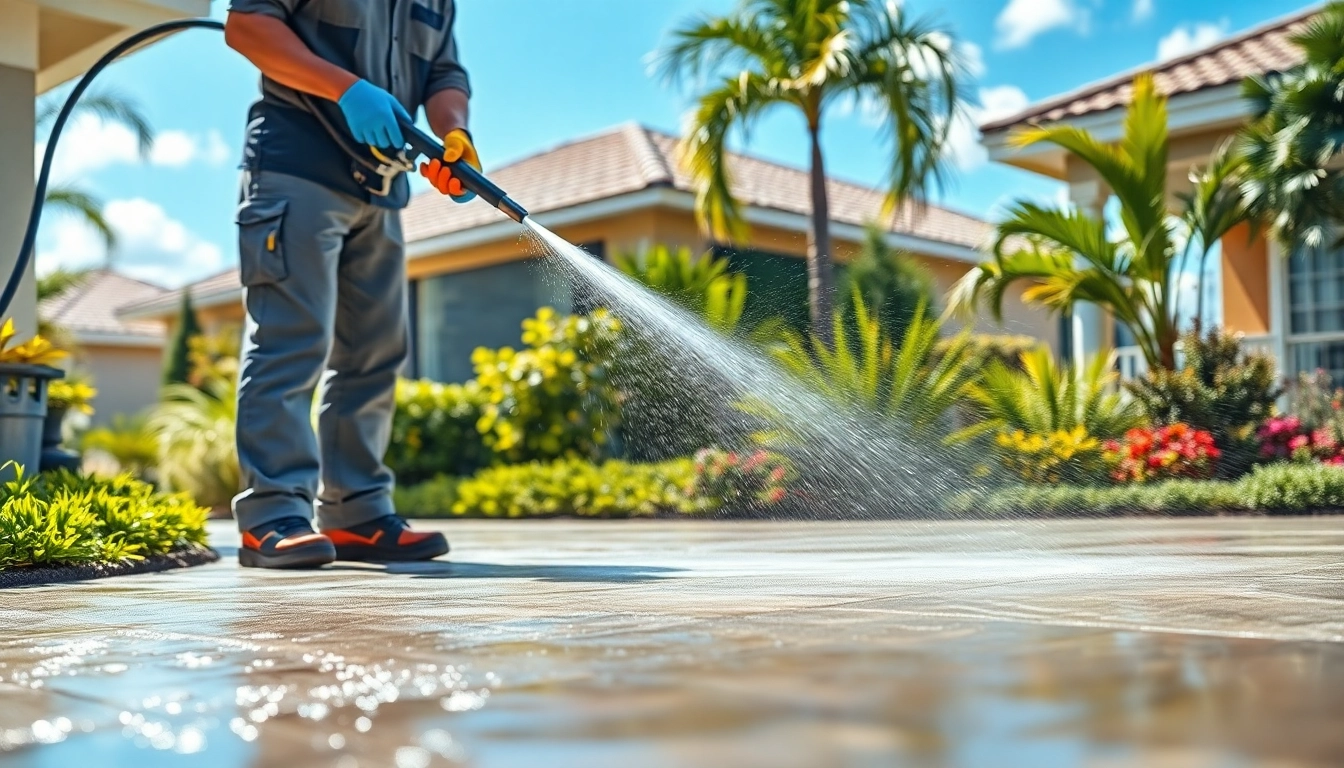
- Pressure Washing: This method uses high-pressure water jets to remove dirt, stains, and debris effectively.
- Soft Washing: Ideal for delicate surfaces, this method combines low pressure with specialized cleaning solutions to eliminate dirt without damaging the concrete.
- Chemical Cleaning: Utilizing specific chemical solutions can break down tough stains, such as oil and grease, ensuring a thorough cleaning. This is often used in conjunction with pressure washing for optimal results.
3. Equipment Used in Effective Concrete Cleaning
Effective concrete cleaning requires specialized equipment designed to handle various cleaning needs. Common equipment includes:
- Pressure Washers: High-powered machines that can be adjusted for pressure and flow rate depending on the surface condition.
- Surface Cleaners: Attachments that help even out the cleaning on large flat areas like driveways.
- Vacuum Recovery Systems: Essential for environmentally responsible cleaning, these systems collect wastewater during the cleaning process to prevent contamination.
Choosing the Right Concrete Cleaning Service
When hiring a professional concrete cleaning service, it’s essential to consider several factors to ensure you choose a reputable provider capable of meeting your needs.
1. Factors to Consider When Hiring a Concrete Cleaner
Choosing the right service involves evaluating their experience, the methods they use, and client testimonials. Look for companies that are licensed and insured, as this not only protects you but ensures they adhere to industry standards. Additionally, inquire about the cleaning products they use to ensure they are eco-friendly and effective.
2. Comparing DIY vs. Professional Concrete Cleaning
While DIY cleaning can seem like a cost-effective solution, it often falls short compared to professional services. Professionals have the right equipment, training, and access to commercial-grade products that can deliver better results. Moreover, improper DIY techniques can lead to damage, resulting in more costly repairs later on.
3. Customer Reviews and Recommendations
Feedback from previous clients is invaluable when selecting a service provider. Look for reviews on independent platforms and ask for references from the cleaning company. A solid reputation backed by positive testimonials can significantly ease your decision-making process.
Common Challenges in Concrete Cleaning
Concrete cleaning does not come without its challenges. Understanding these can help prepare homeowners and business owners alike for what to expect.
1. Stubborn Stains and Deep Cleaning Techniques
Some stains may be particularly stubborn, necessitating advanced cleaning techniques or specialized products. For example, oil stains may require degreasers while rust stains may need acidic solutions. Professionals should assess the type of stain before selecting the appropriate treatment.
2. Preventing Damage During the Cleaning Process
Pressure cleaning can potentially damage concrete surfaces if not done correctly. High pressure can etch the surface or create pitting if used improperly. Therefore, it is crucial to use the appropriate pressure settings and techniques, particularly on older or more fragile surfaces.
3. Understanding Environmental Regulations for Concrete Cleaning
As regulations on wastewater runoff become stricter, it is essential for concrete cleaning services to implement eco-friendly practices. This includes using biodegradable cleaning agents and vacuum recovery systems to minimize environmental impact. Be sure to choose a service that complies with local environmental regulations.
Maintaining Your Concrete After Cleaning
Once your concrete is cleaned, maintaining its condition is vital for longevity and appearance.
1. Sealing Concrete for Longevity
Sealing concrete surfaces after cleaning can significantly extend their lifespan. Sealants provide a protective barrier against moisture and stains, helping to prevent deterioration and discoloration. Regularly resealing every few years can keep concrete looking fresh and vibrant.
2. Regular Maintenance Tips for Concrete Surfaces
Beyond sealing, regular maintenance is key. This can include:
- Routine sweeping to remove debris
- Immediate cleaning of spills to prevent staining
- Regular inspections for cracks or damage
3. Seasonal Considerations for Concrete Care
Seasonal changes can impact concrete care, requiring different approaches for maintenance. For instance, applying a de-icing agent in winter can prevent damage from freezing and thawing. In contrast, summer may bring algae growth, necessitating frequent washing to maintain appearance.
Future Trends in Concrete Cleaning Services
The concrete cleaning industry is evolving, with new technologies and practices emerging regularly. Staying informed about these trends can give you an edge in maintaining your concrete surfaces.
1. Innovative Technologies in Concrete Cleaning
Emerging technologies such as automated cleaning systems and advanced pressure washing techniques enhance efficiency and effectiveness. These innovations not only improve cleaning results but also reduce labor costs.
2. Eco-Friendly Cleaning Solutions and Practices
As consumers become more environmentally conscious, eco-friendly cleaning solutions are gaining popularity. Businesses that adopt biodegradable agents and responsible waste disposal practices can attract a broader customer base committed to sustainability.
3. Predictions for the Concrete Cleaning Industry in 2025
Looking towards 2025, it is expected that the concrete cleaning industry will increasingly focus on technology integration and sustainability. Companies that adapt to these trends by utilizing smart cleaning solutions and eco-friendly practices are likely to lead the market.