The Importance of Water Lilies in Aquatic Gardens
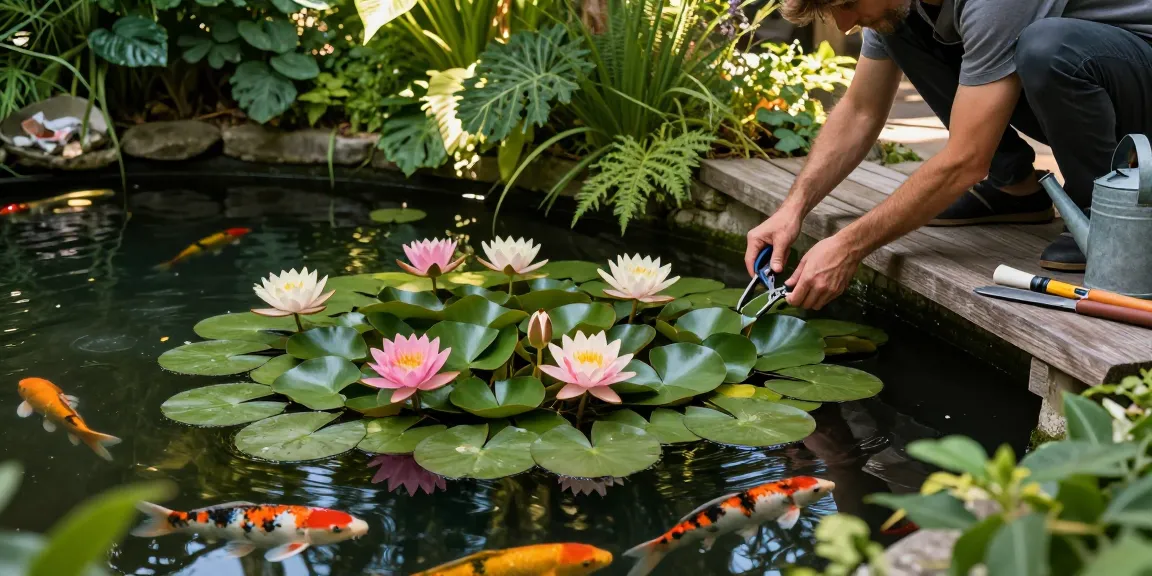
Water lilies are more than just beautiful blooms that float atop your garden pond; they play a crucial role in promoting a healthy aquatic ecosystem. These enchanting plants provide essential benefits to both the pond environment and the aesthetics of your outdoor space. As we delve into the benefits, aesthetic values, and varieties of water lilies in 2026, it becomes evident why these stunning aquatic plants deserve a prominent spot in any garden. When exploring options, Water Lilies offer comprehensive insights and choices for both novice and expert gardeners alike.
1. Benefits of Water Lilies for Pond Ecosystems
Water lilies contribute significantly to pond ecosystems. They provide shade, which helps regulate water temperature and mitigates the growth of algae. The large leaves create a habitat for various aquatic organisms while limiting water loss due to evaporation. Furthermore, they aid in oxygenating the water, which is vital for fish and other aquatic wildlife. Nutrient absorption also occurs through these plants, helping to reduce unwanted substances in the water that could harm the ecosystem.
- Shade and Shelter: Water lily leaves offer shade, protecting fish from predators and keeping the water cool.
- Oxygen Production: Through photosynthesis, water lilies release oxygen, improving water quality.
- Nutrient Regulation: They absorb excess nutrients, particularly nitrogen and phosphorus, which can lead to eutrophication.
2. Aesthetic Value and Design Considerations
The aesthetic appeal of water lilies cannot be overstated. With their vibrant colors ranging from white to deep purple, they can enhance any garden design. Gardeners often use them as focal points in pond designs or group them with other aquatic plants for a more balanced look. It’s essential to consider the layout of your pond and choose varieties of water lilies that complement each other and fit the size of your water feature.
Incorporating water lilies into a garden design requires careful planning. Here are some design considerations:
- Color Schemes: Match the colors of water lilies with surrounding plants and flowers for a cohesive look.
- Variety Selection: Choose varieties that bloom at different times for continuous color throughout the season.
- Placement: Position water lilies where they can receive adequate sunlight while also providing areas of shade.
3. Popular Varieties of Water Lilies for 2026
As we look ahead to 2026, several water lily varieties are gaining popularity among gardeners. These selections are not only beautiful but also well-suited for diverse pond conditions:
- Nymphaea ‘Starry Night’: Characterized by its deep blue petals speckled with yellow, this variety is a showstopper.
- Nymphaea ‘Aurum’: Known for its bright yellow blooms, it thrives in full sun and offers a sweet fragrance.
- Nymphaea ‘Cinderella’: This compact variety is perfect for smaller ponds and displays soft pink flowers.
- Nymphaea ‘Froebeli’: Renowned for its hardiness, this water lily features striking white flowers with a hint of pink.
Best Practices for Cultivating Water Lilies
1. Optimal Growing Conditions and Requirements
To successfully cultivate water lilies, it’s essential to understand their growing conditions. Water lilies thrive in still, warm water, ideally between 20°C to 30°C (68°F to 86°F). They require a minimum of 6 hours of sunlight each day and benefit from nutrient-rich soil. Consider the following aspects to ensure a thriving water lily garden:
- Water Depth: Depending on the variety, water depths can range from 30 cm to 120 cm (12 to 48 inches).
- Soil Type: Use a heavy, clay-like soil to anchor the plants and retain nutrients.
- Fertilization: Apply fertilizer tablets specifically designed for aquatic plants at the beginning of the growing season.
2. Common Challenges and Solutions in Cultivation
While water lilies are relatively low-maintenance, they can face challenges that may affect their growth and bloom quality. Common problems include algae overgrowth, pests, and diseases. Here are solutions to these issues:
- Algae Control: Introduce floating plants to provide shade and reduce algae growth.
- Pest Management: Regularly inspect for aphids and beetles; natural predators like ladybugs can help control populations.
- Diseases: Ensure good water circulation to prevent fungal infections; remove any affected leaves immediately.
3. Seasonal Care Tips for Healthy Water Lilies
Maintaining healthy water lilies involves different care practices throughout the seasons. Here are tips for each season:
- Spring: Divide and replant water lilies to promote growth. Fertilize with aquatic tablets.
- Summer: Monitor water levels and provide shade if temperatures soar. Prune dead leaves to encourage new growth.
- Autumn: Prepare for winter by cutting back foliage; if applicable, bring tropical varieties indoors.
- Winter: Hardy lilies can remain in the pond; ensure the pond does not freeze completely to protect fish.
Innovations in Aquatic Plant Care for 2026
1. New Technologies for Pond Maintenance
The gardening industry continues to evolve, with new technologies improving pond maintenance and plant care. Automated water level sensors and nutrient monitors are gaining traction for their ability to provide real-time data. Innovations like solar-powered aerators can enhance oxygen levels without increasing energy costs.
2. Sustainable Practices for Water Lily Growth
As sustainability becomes a priority in gardening, water lily cultivation is no exception. Techniques such as using organic fertilizers and promoting biodiversity through companion planting are gaining popularity. These practices not only improve plant health but also support local ecosystems.
3. Trends in Aquatic Gardening Techniques
In 2026, trends in aquatic gardening are shifting towards more naturalistic designs. Gardeners are increasingly opting for biodiversity-rich ponds that include native plants alongside water lilies. This approach enhances the ecosystem and ensures a balance between cultivated and wild spaces.
Case Studies: Successful Water Lily Installations
1. Community Gardens Transforming Urban Spaces
Community gardens utilizing water lilies have transformed urban landscapes, providing green spaces that promote well-being and biodiversity. For example, the project at XYZ Community Garden in London incorporated a variety of water lilies, resulting in increased foot traffic and community engagement.
2. Luxury Ponds with Water Lilies in Modern Landscaping
High-end landscapes are integrating water lilies to enhance architectural features. The use of Nymphaea ‘Starry Night’ in luxury ponds has become a status symbol, showcasing the blend of nature and design in modern estates.
3. Educational Projects Using Water Lilies for Learning
Water lilies are also utilized in educational settings to teach students about ecosystems and biology. Schools have incorporated water lilies into their science programs, allowing students to observe growth processes and understand aquatic environments.
Future Trends for Water Lilies and Aquatic Plants
1. Predictions for Aquatic Plant Popularity by 2026
The popularity of water lilies is projected to rise significantly by 2026, driven by trends in environmental awareness and biodiversity. Gardeners are increasingly recognizing the essential role of aquatic plants in promoting healthy ecosystems.
2. The Role of Water Lilies in Biodiversity Conservation
Water lilies contribute to biodiversity conservation by providing habitats for various aquatic species. Protecting these plants is critical as they help maintain ecological balance and support wildlife populations.
3. Engaging Communities through Water Lily Workshops
Workshops focusing on water lily care and benefits are becoming prevalent, engaging communities in sustainable gardening practices. These educational programs foster a sense of community while promoting environmental stewardship.
What are the best water lilies for beginners?
For beginners, varieties such as Nymphaea ‘Perry’s Arctic Blue’ and Nymphaea ‘Sisters’ are recommended due to their hardiness and ease of care. They bloom prolifically and adapt well to various pond sizes.
How do water lilies affect pond ecosystems?
Water lilies shade the water, reducing algae growth and providing habitat for fish and aquatic organisms. They also help oxygenate the water, contributing to a balanced ecosystem.
What maintenance do water lilies require throughout the year?
Maintenance includes regular pruning, monitoring water levels, and fertilizing during the growing season. In winter, hardiness varies; some varieties may require potting and relocation indoors.
Can water lilies thrive in different climates?
Yes, water lilies can thrive in a range of climates. Hardy varieties can withstand cold temperatures, while tropical varieties need warmer conditions and are best suited for temperate regions.
What innovations are emerging for water lily cultivation?
Innovations include automated pond management systems and organic growing methods, which reduce environmental impact while enhancing growth conditions for water lilies.