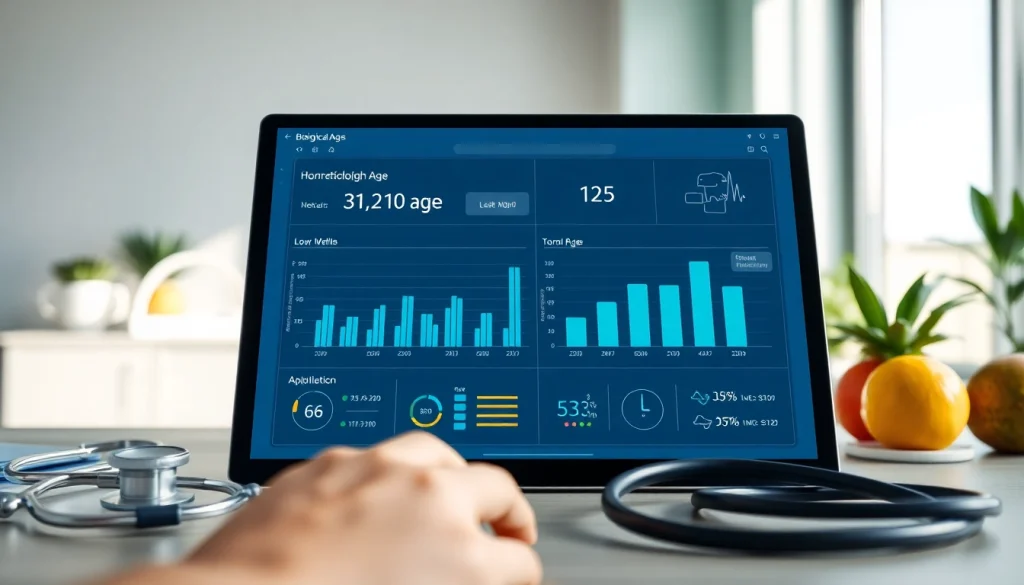
Understanding Biological Age
Definition and Importance of Biological Age
Biological age is a term that represents the condition of various biological systems in the body compared to the average biological condition of a person of chronological age. It serves as an indicator of a person’s overall health and longevity, often revealing how well their body is functioning at a cellular, biochemical, and physiological level. Understanding biological age is crucial because it offers insights into potential health risks and can help individuals make informed lifestyle choices that enhance well-being and longevity.
How Biological Age Differs from Chronological Age
Chronological age is simply the number of years a person has lived, based on their birth date. In contrast, biological age measures how old a person’s body specifically appears to be, which can differ significantly from chronological age. For example, two individuals may be the same chronological age, but one may have a biological age that is significantly younger or older due to lifestyle factors, genetics, and overall health. This distinction is essential because it suggests that age-related health declines can be mitigated with appropriate health choices, making biological age a more relevant metric for assessing health and vitality.
Factors Affecting Biological Age
Several factors influence biological age, including:
- Genetics: Genetic predispositions play a crucial role in aging and susceptibility to age-related diseases.
- Lifestyle Choices: Diet, physical activity, smoking, and alcohol consumption can significantly alter biological age.
- Stress Levels: Chronic stress can lead to premature aging at the cellular level, influencing overall biological age.
- Sleep Quality: Poor sleep patterns affect biological functions, impacting health markers that determine biological age.
- Environmental Factors: Pollution, exposure to toxins, and lifestyle environments also play critical roles in biological aging.
The Science Behind the Biological Age Calculator
Key Components of the Biological Age Calculator
A biological age calculator uses various parameters to assess an individual’s biological condition. Common components include:
- Biometrics: Measurements such as height, weight, waist circumference, and body mass index (BMI) are typically recorded.
- Health History: Any existing medical conditions, current medications, and family health history are considered.
- Laboratory Tests: Some calculators require blood tests to examine factors like cholesterol levels, blood sugar, and other biomarkers.
- Lifestyle Factors: Questions covering diet, exercise, sleep habits, and stress management form an integral part of the assessment.
How to Use the Biological Age Calculator Effectively
Utilizing a biological age calculator is straightforward, yet there are effective practices to enhance accuracy. Here are the steps:
- Choice of Calculator: Select a reputable biological age calculator, such as the biological age calculator, which incorporates diverse health variables.
- Gather Accurate Data: Ensure that all information inputted is current and accurate. This ensures the results reflect your actual biological state.
- Follow Up with Professionals: If prompted with concerning results, consider consulting with a healthcare professional for further insights and potential strategies.
Understanding the Results: What They Mean for You
The results from a biological age calculator will indicate how your biological age compares to your chronological age. An individual whose biological age is younger than their chronological age may be in good health, suggesting effective health and wellness practices. Conversely, a higher biological age indicates areas needing attention. This can serve as motivation to adopt healthier habits, undergo medical evaluations, or even consult nutritional experts.
Benefits of Knowing Your Biological Age
Personal Health Insights
Knowing one’s biological age provides valuable insights into personal health. It allows individuals to identify potential health risks early, encouraging proactive healthcare measures. With an understanding of their biological age, individuals can tailor their health strategies and make necessary adjustments to their lifestyles to improve their overall health and mitigate risks of age-related diseases.
Guiding Lifestyle Changes
The knowledge of biological age can act as a guide to instigate lifestyle changes. For example, individuals can identify the urgent need to improve diet, increase physical activity, or reduce stress levels based on their biological assessments. This awareness empowers individuals to take control of their health through actionable changes, fostering a more engaged approach to personal wellness.
Long-Term Health Planning
Another significant benefit of understanding biological age is the impact it has on long-term health planning. By identifying their biological age, individuals can work with healthcare professionals to create personalized health plans that consider both current health conditions and potential future risks. This foresight can allow for tailored preventative measures, which can be critical as one ages.
Common Misconceptions About Biological Age Calculators
Debunking Myths and Misunderstandings
There are several misconceptions surrounding biological age calculators that can lead to misunderstandings regarding their application. One major myth is that the results are solely determined by genetics. While genetics do play a role, lifestyle choices are equally, if not more, significant in influencing biological age. Additionally, some believe that having a biological age calculator is a substitute for regular health check-ups; however, calculators should complement—not replace—professional medical advice.
Accuracy and Limitations of Biological Age Calculators
While biological age calculators can provide valuable insights, it’s crucial to acknowledge their limitations. Not all calculators are equal in terms of scientific backing and accuracy. Some may rely heavily on self-reported data, which can be subjective. Users should be aware that while these tools can guide health awareness, they shouldn’t be viewed as definitive assessments of health.
Role of Genetics vs. Lifestyle in Biological Age
The interplay between genetics and lifestyle is complex but essential in understanding biological age. Genetics set the baseline for biological predispositions, including how well an individual may age. However, lifestyle factors such as diet, activity, and stress management can dramatically alter biological aging processes. Research consistently shows that individuals who adopt healthier lifestyles tend to exhibit lower biological ages compared to their chronological ages.
Improving Your Biological Age
Practical Tips to Lower Your Biological Age
Lowering your biological age is achievable through various lifestyle modifications. Here are practical tips:
- Healthy Diet: Consume plenty of fruits, vegetables, whole grains, lean proteins, and healthy fats, while minimizing processed foods.
- Regular Exercise: Engage in at least 150 minutes of moderate aerobic activity weekly, along with strength training twice a week.
- Stress Management: Explore stress reduction techniques such as yoga, meditation, and deep-breathing exercises.
- Quality Sleep: Aim for 7-9 hours of quality sleep each night to allow your body time to repair and rejuvenate.
- Avoid Harmful Substances: Limit or eliminate smoking and excessive alcohol consumption as these can accelerate aging.
Long-Term Strategies for Healthy Aging
Building a sustainable plan for healthy aging involves long-term strategies that go beyond temporary fixes. Key approaches include:
- Regular Health Check-ups: Schedule annual exams with healthcare providers to monitor health and adjust lifestyle plans accordingly.
- Social Engagement: Cultivating strong social connections and participating in community activities can promote mental well-being, which supports healthy aging.
- Continuous Education: Stay informed about health and wellness trends, embracing evolving best practices to optimize aging.
Resources and Tools for Tracking Your Progress
Various resources can help you monitor your biological age progress effectively. Consider implementing the following:
- Fitness Trackers: Devices that monitor physical activity and sleep patterns can provide valuable insights and hold you accountable.
- Health Apps: Applications that track dietary intake and fitness levels can assist in maintaining healthy lifestyle practices.
- Regular Self-Assessments: Use biological age calculators periodically to gauge the effectiveness of your lifestyle changes over time.